
Water Damage Restoration Brisbane: A Complete Guide to Fast Recovery, Property Protection and Modern Restoration Technology
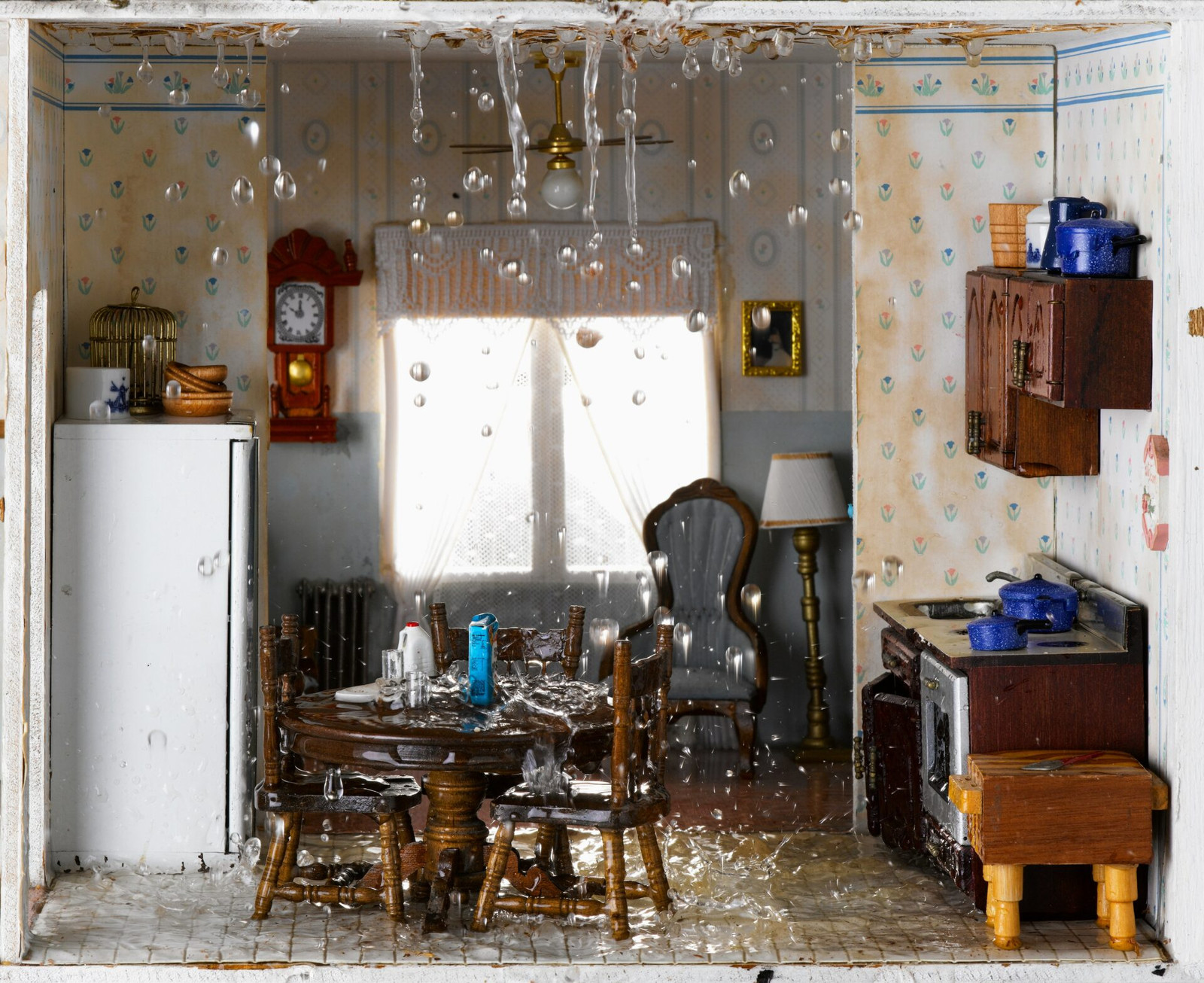
Property owners and commercial operators in Brisbane regularly face a range of water damage threats. Heavy rainfall, burst pipes, overflow from household appliances, roof leaks, and reverse stormwater backup
are all common local triggers of water-related property loss. These hazards can spread rapidly; if not addressed promptly, they not only cause visible property damage, but also lead to long-term problems such as mold growth, persistent odors, and hidden
structural damage. Local professional water damage restoration service providers can help people respond quickly to these crises. Today, the industry has evolved beyond the traditional model of basic water removal and drying, and adopted a professional framework
that combines hands-on experience with technology. Service providers deploy specialized equipment including thermal imaging cameras, digital moisture detection devices, and controlled drying systems. This approach not only reduces restoration costs, preserves building structures, and safely restores properties to functional condition, but also mitigates various follow-up risks
through timely intervention. This guide centers on three core topics: the complete water damage restoration process, common
triggers of water damage to local Brisbane properties, and the optimization effect of modern technology on post-disaster recovery, to help readers control restoration timelines and long-term costs.
Why Water Damage Requires Immediate Attention
Many people regard water as a harmless substance, but once it seeps into the interior of a building, it erodes almost all
construction materials it comes into contact with, with no exceptions—from floors, wall systems, insulation layers, and wood structures, to cabinets and soft interior finishes. Even minor leaks can quietly penetrate hidden areas such as wall cavities, ceiling plenum spaces, and subfloor areas, remaining undetected
for long periods. As humidity levels rise, these leaks will sequentially trigger a series of problems including wood swelling, adhesive failure, damage to paint and plaster, and mold growth. The
biggest limitation of visual inspection is that visible signs of damage only account for a small fraction of the full scope of the problem. By using thermal imaging cameras to capture temperature differences caused by trapped water, and digital moisture meters to measure the internal moisture content of building materials, affected areas can be identified at the earliest
possible stage. This allows restoration specialists to carry out targeted repairs, increasing the likelihood that the original building materials can be retained.
Common Causes of Water Damage in Brisbane
Brisbane’s subtropical climate creates unique challenges for homeowners and businesses. Seasonal storms, high humidity and intense rainfall events can contribute to a wide range of water-related emergencies.
Severe storms are one of the most common causes of property damage. Heavy rainfall can overwhelm drainage systems, damage roofing materials and allow water to enter ceilings, walls and lower areas of buildings. Modern inspection methods help technicians assess storm damage more accurately by identifying moisture hidden behind surfaces.
Burst pipes are another major cause of water emergencies. A damaged pipe can release a large amount of water in a short time, affecting flooring, walls and furniture before the issue is discovered.
Roof leaks, damaged flashing, blocked gutters and ageing roofing materials can also allow water intrusion during Brisbane’s storm seasons. Although these leaks may appear minor initially, ongoing moisture exposure can create larger structural issues if not addressed.
Indoor Water Damage Restoration Brisbane is also common. Bathroom overflows, leaking shower systems, appliance failures and faulty hot water systems can introduce moisture into areas that are difficult to detect without professional equipment.
Properties located near waterways or low-lying areas may also experience flooding during major weather events. Flood restoration often requires additional cleaning, sanitisation and contamination management due to the presence of external pollutants in floodwater.
How Technology Is Changing Water Damage Restoration
Technology is transforming the entire chain of the building restoration industry, spanning from core frontline operations
to back-end services. It not only makes restoration assessments more accurate and drying processes more controllable, but also completely overturns the previously crude, extensive model that formulated restoration decisions solely based on
visible damage. Today, three core types of digital technologies in the industry have been implemented and are delivering effective outcomes: Thermal imaging technology can identify the distribution of moisture behind
walls, ceilings, and floors without requiring the demolition of building materials, reducing unnecessary construction damage and accelerating problem localization; digital moisture detection tools can obtain precise readings for multiple types of building materials such as
wood and concrete, supporting the assessment of damage levels and verification that affected areas meet the safe drying standard; digital monitoring systems track temperature and humidity changes throughout the entire process, adjusting parameters as needed to avoid premature commencement of
work. The digital reports generated by these tools also record full-process data, providing property management teams, building owners, and insurance institutions with clear, complete archived records of the entire restoration process.
Understanding the Water Damage Restoration Process
Professional restoration involves much more than removing standing water. A complete recovery process includes assessment, extraction, moisture detection, drying, cleaning and final verification.
Each stage plays an important role in preventing further damage and restoring a safe indoor environment.
Emergency Assessment
The first stage involves identifying the source of the water, assessing safety risks and determining the extent of damage.
Restoration technicians inspect affected areas to understand how moisture has moved through the property. Advanced equipment, including thermal imaging cameras and professional moisture meters, helps detect hidden water behind walls, beneath flooring and inside ceiling cavities.
Accurate assessment allows restoration teams to create an appropriate recovery plan while avoiding unnecessary repairs to unaffected areas.
Water Extraction
Once the assessment is complete, standing water must be removed as quickly as possible.
Professional extraction equipment is designed to remove large volumes of water from carpets, flooring, concrete surfaces, and other affected areas. Fast extraction reduces the amount of moisture absorbed into building materials and helps prevent secondary damage.
When combined with moisture monitoring technology, rapid water removal creates the foundation for an effective drying process.
Similar Posts
Google DeepMind’s AlphaEarth in 2025: Satellite Embeddings, Use Cases & How It Works
Practical Study Tips for High School Students Using AI
Are AI Image Generator Tools Causing Election Misinformation?