

Can Neuralink Really Let Humans Control Technology With Their Brain in 2025?
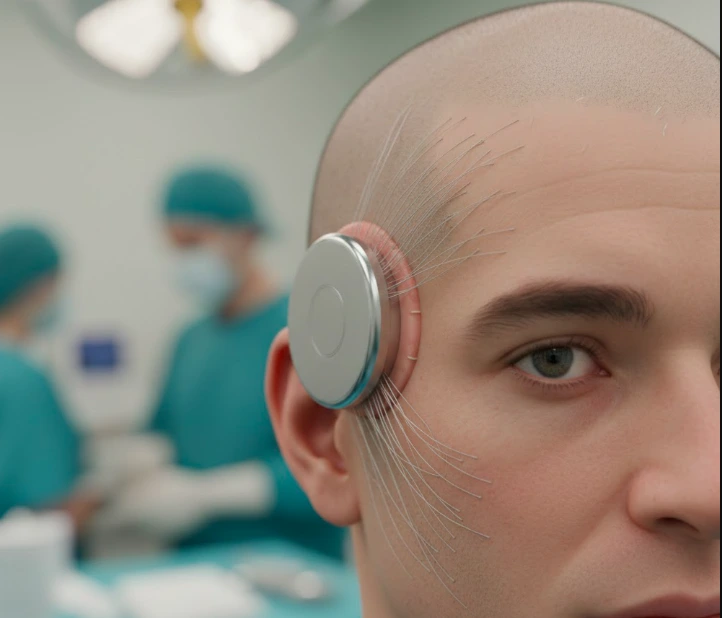
Yes, humans can control technology using their brains through Neuralink, and this is not science fiction.
However, the way it works today is very different from what viral headlines suggest.
Neuralink does not allow people to think commands like “open an app” or “send a message” and instantly control devices. It does not read thoughts, emotions, or memories. What it does is far more specific and far more limited.
As of 2025, Neuralink allows paralyzed human trial participants to control computers by translating intentional brain signals into simple digital actions such as moving a cursor or typing text. This happens inside FDA-authorized medical trials, not consumer use.
So the claim is real.
The exaggeration is everything around it.
What People Think Neuralink Does vs What It Actually Does
What people think
Many people believe Neuralink lets users:
- Control any device just by thinking
- Communicate telepathically
- Merge their brain with artificial intelligence
- Read or send thoughts
What actually happens
In reality, Neuralink:
- Detects specific neural signals linked to movement intent
- Converts those signals into pre-trained digital commands
- Requires weeks of calibration and practice
- Works only for very limited tasks
The gap between perception and reality is where most confusion starts.
What “Controlling Technology With Your Brain” Really Means
When Neuralink users “control technology,” they are not controlling thoughts. They are controlling intentional movement signals.
Here is how it works in simple terms:
- The user intentionally imagines moving a hand or finger
- The brain’s motor cortex produces electrical signals
- Neuralink’s implanted electrodes record those signals
- Software predicts which action the user intends
- The computer performs that action
This is why most demonstrations involve cursor movement, not complex commands. The system works best when actions are simple, repeatable, and trained.
What Humans Have Actually Done Using Neuralink (Verified Results)
Neuralink’s strongest proof comes from real human use, not projections.
In ongoing human trials, implanted participants have been able to:
- Move a cursor across a computer screen
- Select icons and buttons without using your hands
- Type messages on an on-screen keyboard
- Play simple video games requiring directional control
- Use communication software independently
These abilities did not appear instantly. Participants needed several weeks of training to improve accuracy and speed. Early use was slow and inconsistent, but performance improved as the system adapted to each user’s brain signals.
For people who cannot move or speak, this level of control is life-changing, even if it looks basic to healthy users.
Why This Is Considered a Real Breakthrough (Even With Limits)
Brain-computer interfaces have existed for years, but most required:
- External wires
- Bulky equipment
- Laboratory conditions
Neuralink differs because it is:
- Fully implanted
- Wireless
- Designed for long-term use outside a lab
That combination is what makes Neuralink significant. The breakthrough is not mind control. It is independent digital interaction without physical movement.
Human Trial Reality: What Improved and What Didn’t
Neuralink’s human studies are early feasibility trials, meaning the goal is to prove the technology can work safely at all.
What improved after implantation
- Independent computer access
- Increasing control accuracy over time
- Reduced reliance on caregivers for communication
What remained difficult
- Inconsistent signal quality early on
- Slower input compared to physical devices
- Ongoing need for recalibration
Neuralink has publicly acknowledged that some electrode threads lost signal strength over time in early implants. This is a known issue in invasive brain implants and is linked to how living brain tissue responds to foreign objects.
Where Neuralink Falls Short (And Why These Limits Exist)
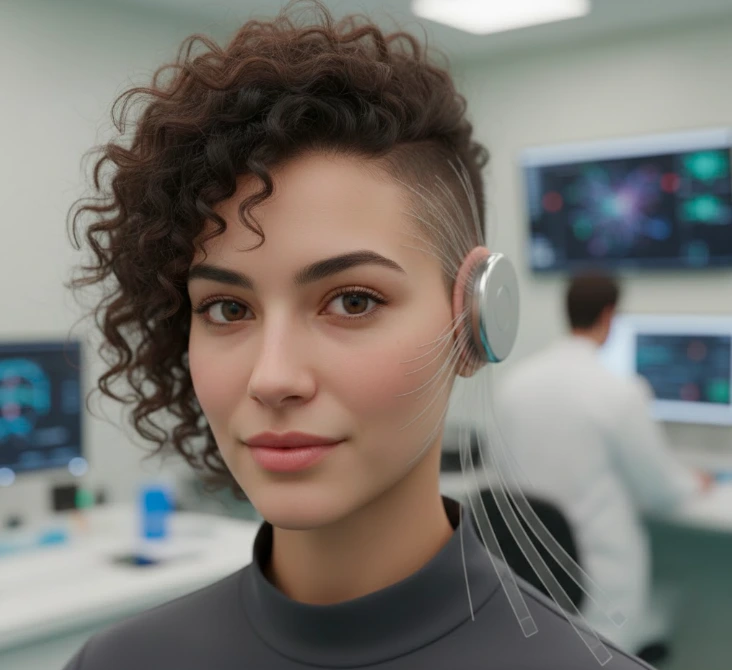
Neuralink’s limitations are not failures. They are biological and engineering realities.
Surgery is required
The implant must be placed inside the skull. This alone restricts use to serious medical cases.
The brain is not static
Neural tissue shifts, adapts, and heals. Over time, this can affect electrode positioning and signal clarity.
Control is narrow
The system supports trained actions only, not free thought. Each command must be learned and predicted.
These limits apply to all invasive brain-computer interfaces, not just Neuralink.
Can Neuralink Read Your Thoughts or Control Your Mind?
No. Neuralink cannot read thoughts.
It can detect patterns linked to intentional movement
It cannot:
- Access memories
- Interpret emotions
- Decode internal speech
- Influence decisions
The idea of “mind reading” comes from misunderstanding how neural signals work. While neural data privacy is a valid concern, current Neuralink systems do not access personal thoughts.
How Much Control Does a User Really Have?
Control through Neuralink is assisted and predictive, not absolute.
- Users must concentrate on specific actions
- The system predicts intent; it does not know it
- Errors occur and must be corrected
- Speed is slower than natural movement
Using Neuralink feels closer to learning a new input device than gaining mental superpowers.
Is Neuralink Safe Right Now?
Neuralink is considered safe only inside regulated clinical trials.
Important context:
- It is classified as an investigational medical device
- Approved only for FDA-authorized trials
- Long-term safety data is still being collected
This means Neuralink is not approved for public or consumer use.
What Neuralink Can Do Today vs What Headlines Suggest
What Neuralink can do today
- Cursor control
- Typing assistance
- Basic digital interaction
What it cannot do (yet)
- Read thoughts
- Enable telepathy
- Enhance intelligence
- Merge humans with AI
Claims about human-AI merging describe long-term research goals, not present-day reality.
Also Read: Aerofoot Shoes Explained (2025): Are the Viral Flying Boots Real or Just CGI?
Is Neuralink the Only Way Humans Can Control Technology With Their Brain?
No. Neuralink is part of a wider brain-computer interface field.
Other systems use:
- Non-invasive sensors placed on the scalp
- Surface-level brain interfaces
- Speech-decoding implants
Neuralink’s main difference is its fully implanted, wireless design, which trades convenience for medical complexity.
When Could This Become Normal for the Public?
Several major barriers remain:
- Regulatory approval beyond trials
- Long-term safety validation
- Ethical and legal frameworks
- High surgical and device costs
For now, this technology will remain medical-first, not consumer-focused.
Why Headlines Keep Making Neuralink Sound More Powerful Than It Is
Most misleading headlines come from:
- Oversimplifying complex science
- Mixing future goals with present capability
- Using emotional language instead of technical accuracy
The reality is less dramatic, but far more important: restoring control where none existed before.
Also Read: How Oscar, the Fake Creepy Lab Robot, Has Fooled More Than 100 Million People on the Internet?
Final Verdict: Can Neuralink Really Let Humans Control Technology With Their Brain?
Yes. Neuralink has proven that humans can control technology using brain signals, but only in carefully defined medical situations.
It is not mind-reading.
It is not consumer technology.
It is not science fiction.
It is a real, limited breakthrough whose true value lies in restoring communication and control for people who have lost it.
FAQs
Does Neuralink work without surgery?
No. Surgery is required.
Can healthy people use Neuralink?
No. It is limited to clinical trials.
Can Neuralink be removed?
Yes, but removal also requires surgery.
Is Neuralink available outside the US?
As of 2025, trials are US-based.
Can Neuralink stop working over time?
Yes. Long-term signal stability is still being studied.

Similar Posts
Uses of AI in Australian Crypto Exchanges: Smarter & Safer Trading
Amazons GPT55X Unbiased Review and Features
StoriesIG Anonymous Instagram Story Viewer Review (2026): My Honest Experience After Testing It