
Modern Aircraft Are Full of New Technology Hidden Inside Familiar Shapes
Commercial aircraft today look much like planes from fifty years ago. People still get on through the curved body of the plane, sit in rows with overhead bins above them. and look out at the wings that stretch from the sides. Under the surface, something big has changed. The engineering, the materials and the electronics inside have shifted dramatically. These changes are not something passengers usually notice. Modern planes are completely different machines from the old ones. They have technologies that make flying safer, more efficient, and more comfortable. Some improvements are easy to see. Others are hidden. Still make a big difference.
1. Advanced Materials Replacing Traditional Aluminum
The fuselage and wings of planes are made more and more from composite materials instead of aluminum alloys that ruled aviation for many years. Carbon fiber reinforced polymers, aramid fibers, and other advanced composites are lighter, stronger, and more resistant to fatigue than metals. For example, the Boeing 787 Dreamliner uses materials for about half of its main structure, a big change from normal aluminum construction. These materials let engineers keep the shape that passengers expect while cutting the overall weight a lot, which means lower fuel use and lower operating costs for airlines.
The way composite materials are made also lets designers build aerodynamic shapes and curved surfaces that would be hard or impossible to do with metal alone. Modern composite construction spreads stress in a way across the aircraft structure, enabling internal redesign while keeping the outer look unchanged. This hidden revolution in materials science means a plane that looks traditional to the eye may weigh thousands of pounds less than an aircraft from the 1990s. The toughness of these materials also cuts maintenance needs over the life of the aircraft, further boosting the economics that make modern aviation possible.
2. Sophisticated Avionics and Navigation Systems
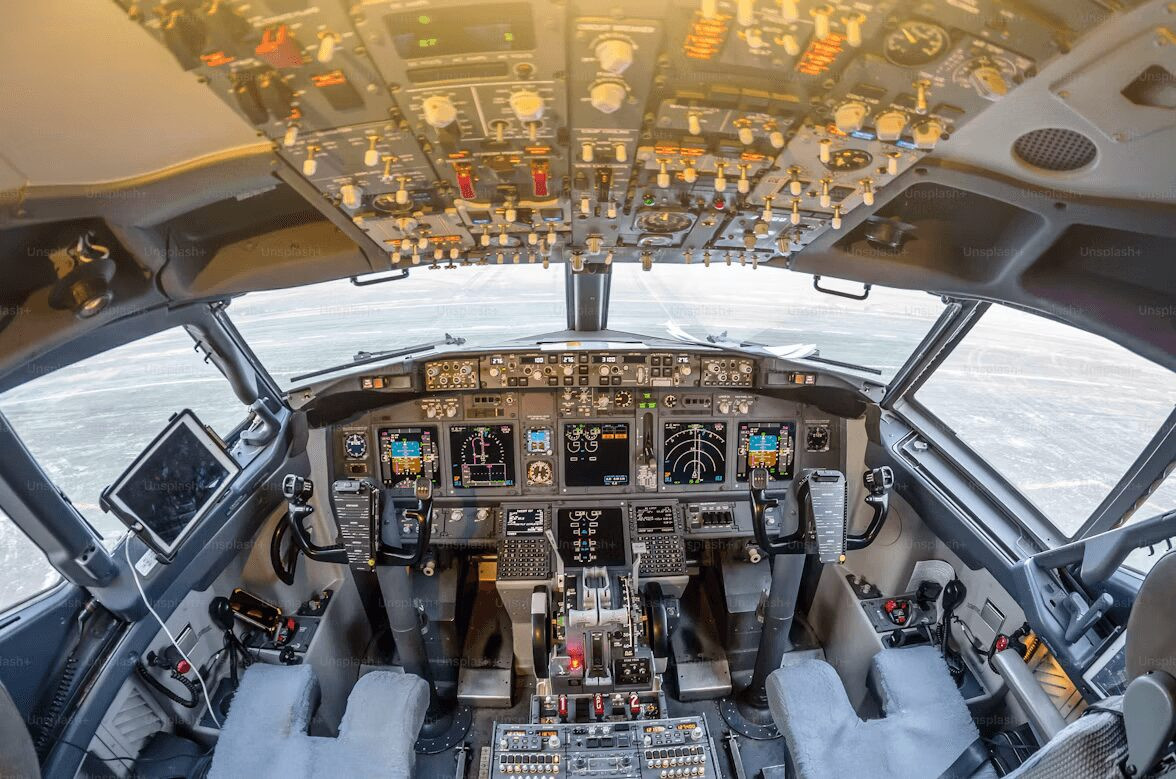
Inside the cockpit pilots now rely on glass cockpits that show clear digital displays instead of old analog dials and switches. These systems pull data from dozens of sensors that watch engine performance, weather patterns and the strength of the aircraft. The system shows this information to pilots right away. Modern avionics contain terrain awareness and warning systems, traffic collision avoidance systems, and weather radar. These tools give pilots a level of situation awareness that feels almost magical. Some newer aircraft can land themselves when the sky is completely dark using precision approach radar and automated control systems. That idea seemed impossible twenty years ago.
The navigation systems in aircraft have moved far from ground-based radio beacons to satellite-based positioning that is accurate, to only a few meters. Integrated modular avionics architecture lets different systems share data without gaps, cutting out parts and making everything more reliable. Flight management systems plot the routes by looking at weather wind patterns and fuel usage. A whole team of navigators would normally have to do this work. Passengers do not see these advances; they only see flights that arrive on time and pilots who steer safely through storms that would have stopped flights years ago.
3. Engine Technology and Fuel Efficiency Innovation
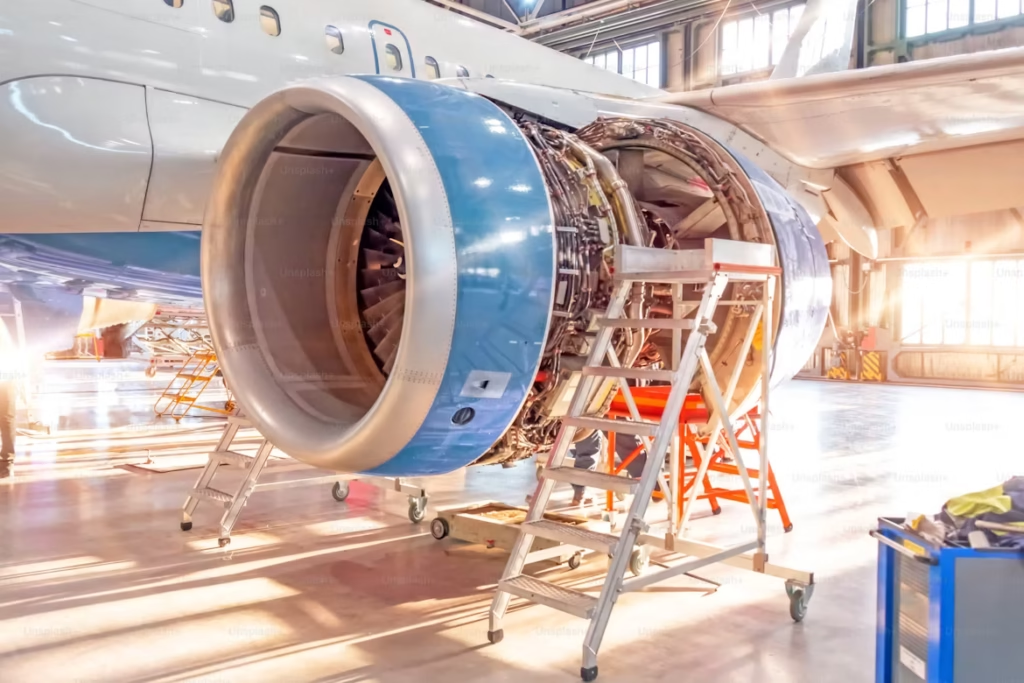
Modern jet engines produce thrust through principles similar to engines from fifty years ago, yet they are dramatically more efficient and powerful. Advanced turbofan designs incorporate new materials that can withstand higher temperatures, allowing engines to operate at greater efficiency while using less fuel. The latest generation engines feature compression ratios and bypass ratios that would have been impossible to achieve with previous metallurgy and manufacturing capabilities. Single-aisle aircraft like the Boeing 737 MAX and Airbus A320neo incorporate engines that consume up to twenty percent less fuel than comparable planes from the previous generation, a remarkable improvement achieved through incremental technological advancement rather than revolutionary redesign.
Engine efficiency improvements include innovations in combustor design, turbine blade geometry, and fuel injection systems that optimize the combustion process itself. Modern engines also incorporate full authority digital engine control systems that automatically adjust engine parameters thousands of times per minute to maintain optimal performance under varying flight conditions. Gearbox technology, once considered a major engineering challenge for ultra-high-bypass turbofan engines, now allows manufacturers to decouple turbine and fan speeds, improving efficiency across a wider range of flight regimes. These advances remain largely invisible to passengers but represent some of the most significant technological achievements in modern aviation, directly impacting airline profitability and environmental sustainability.
4. Structural Health Monitoring and Predictive Maintenance
Modern aircraft are equipped with thousands of sensors throughout their structures that continuously monitor stress, temperature, vibration, and other physical parameters. This data streams to airline maintenance systems, which use artificial intelligence and machine learning algorithms to predict component failures before they occur. Predictive maintenance systems can identify a bearing showing early signs of wear or a structural component approaching fatigue limits, allowing maintenance crews to schedule repairs during planned maintenance windows rather than experiencing unexpected failures. This technology has transformed aircraft maintenance from a reactive, time-based system to a data-driven, condition-based approach that reduces downtime and improves safety margins.
The structural monitoring systems in modern aircraft can detect microscopic cracks, corrosion development, and metal fatigue patterns that human inspectors might miss. Airlines now integrate sensor data with maintenance management software that tracks the history of every component in an aircraft, providing unprecedented visibility into aircraft health. Technicians performing hands-on inspection and repair work rely on reliable aircraft tooling to ensure that every component is serviced to exact specifications, maintaining the integrity that sensor data alone cannot guarantee. If an aircraft experiences unusual turbulence, the monitoring system records precise data about structural stresses experienced, allowing engineers to assess any damage with far greater accuracy than was previously possible. These invisible sensor networks represent a fundamental shift in how aviation safety and maintenance are managed, contributing to accident rates that continue to decline despite significantly increased air travel volume worldwide.
5. Cabin Systems and Environmental Controls
The pressurization, heating, and air conditioning systems in modern aircraft operate using technologies far more advanced than their appearances might suggest. Modern environmental control systems maintain cabin pressure and temperature with greater precision than older systems, improving passenger comfort while minimizing energy consumption. Advanced filtration systems circulate cabin air through high-efficiency particulate filters multiple times per hour, a feature that became particularly significant following increased health scrutiny in aviation. Cabin monitoring systems track humidity, oxygen levels, and temperature distribution throughout the aircraft, automatically adjusting environmental controls to maintain optimal conditions in different cabin zones.
Lighting systems in modern aircraft have transitioned from incandescent and fluorescent bulbs to LED technology that consumes far less power and produces light at wavelengths that support passenger circadian rhythms during long flights. In-flight entertainment systems are now wireless, touchscreen-equipped, and connected to centralized servers rather than requiring individual seatback computers. Wireless connectivity systems embedded throughout the aircraft structure allow passengers to access broadband internet during flight, a capability that was considered science fiction just fifteen years ago. These systems operate transparently to passengers who simply enjoy better lighting, more comfortable cabins, and faster internet than was available on aircraft with the same basic configuration.
Conclusion
Modern commercial aircraft represent a remarkable convergence of advanced materials, digital technologies, and engineering innovations that maintain the familiar shape and basic layout passengers expect while delivering dramatically improved performance, safety, and efficiency. The technologies housed inside these aircraft include composite structures, sophisticated avionics systems, highly efficient engines, predictive maintenance networks, and advanced environmental controls that work together to create aircraft fundamentally different from those flown just two decades ago. Passengers may not see these innovations directly, but they experience their benefits every time they fly on aircraft that arrive safely, depart on schedule, and consume less fuel than predecessors. As aviation continues to evolve, future aircraft will likely maintain recognizable silhouettes while incorporating even more advanced technologies within their hidden systems and structures.
Similar Posts
CFD Trading Insights: Expert Tips for Optimizing Your Portfolio Performance
How Can the Velocity Banking Calculator Transform Your Financial Strategy?
File Sharing Solutions: Unveiling Advanced Methods Beyond “Files Over Miles”