

The Humanoid Robotics Race Has Begun. Here’s Who Is Actually Winning in the 2026 Market
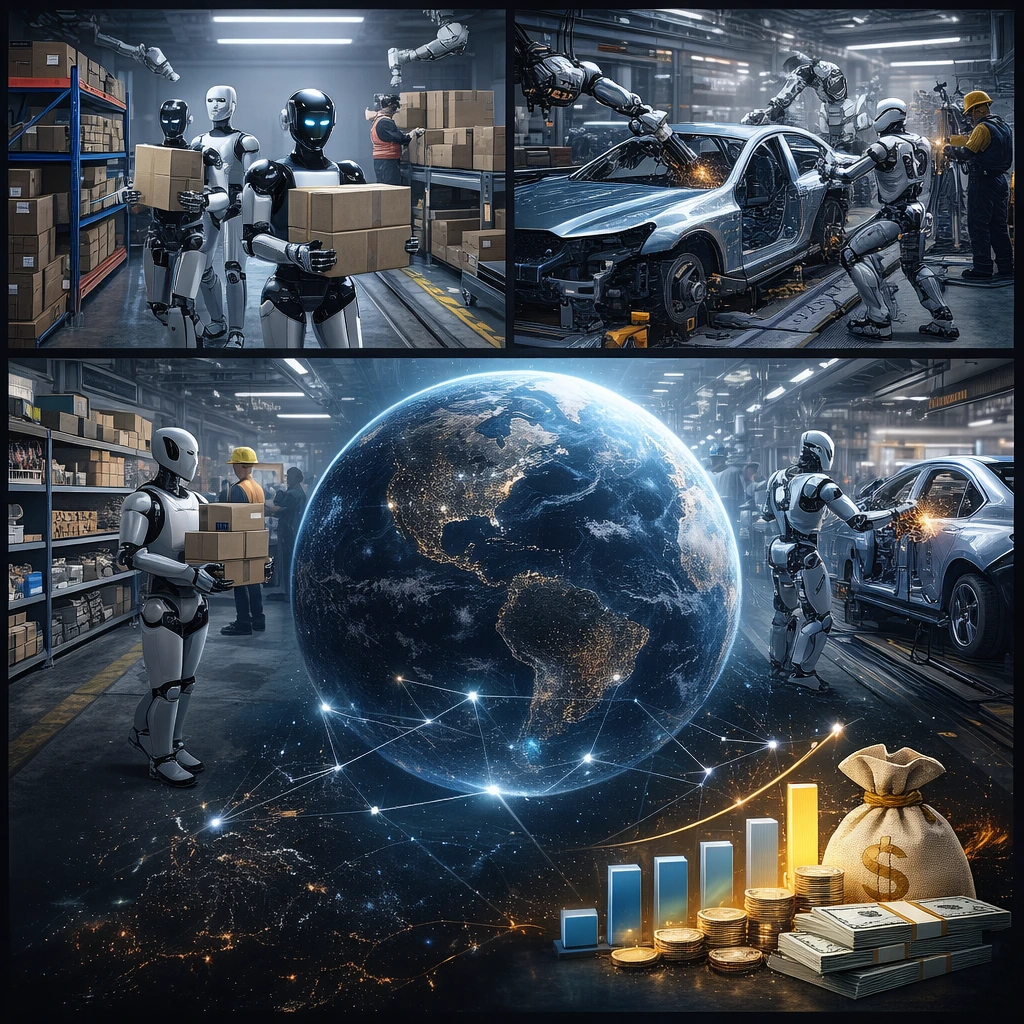
Five years ago, humanoid robots were lab experiments and viral demo videos.
In 2026, they will be entering factories. As Elon Musk has predicted, 10 Billion Humanoid Robots by 2040 at $20,000 Each
This shift is not about better walking robots. It is about economics.
The global robotics market now exceeds $70 billion annually, and for the first time, humanoid robots are being priced within reach of real industrial buyers.
Companies are targeting price ranges between $20,000 and $50,000 per unit, placing them directly against the annual cost of warehouse and manufacturing labor.
The question is no longer whether humanoid robots can move.
The real question is who can build them cheaply, reliably, and at scale.
This is where the race truly begins.
The 2026 Humanoid Robotics Leaderboard Ranking
| Company | Robot | Target Price | Deployment Status | Strategic Edge |
| Tesla | Optimus | $20k–$30k (target) | Internal industrial pilot | Manufacturing scale |
| Figure AI | Figure 02 | ~$30k+ (est.) | Warehouse pilot | Focused logistics strategy |
| Boston Dynamics | Atlas | Not sold | Research stage | Mobility engineering |
| Apptronik | Apollo | $50k–$100k | Industrial pilot | Practical warehouse automation |
| Unitree | H1 / G1 | $13k–$90k | Developer + pilot | Cost compression |
| 1X | NEO | ~$20k (target) | Early pilot | Home robotics ambition |
Now we go deeper because ranking companies is easy. Understanding their economics is harder.
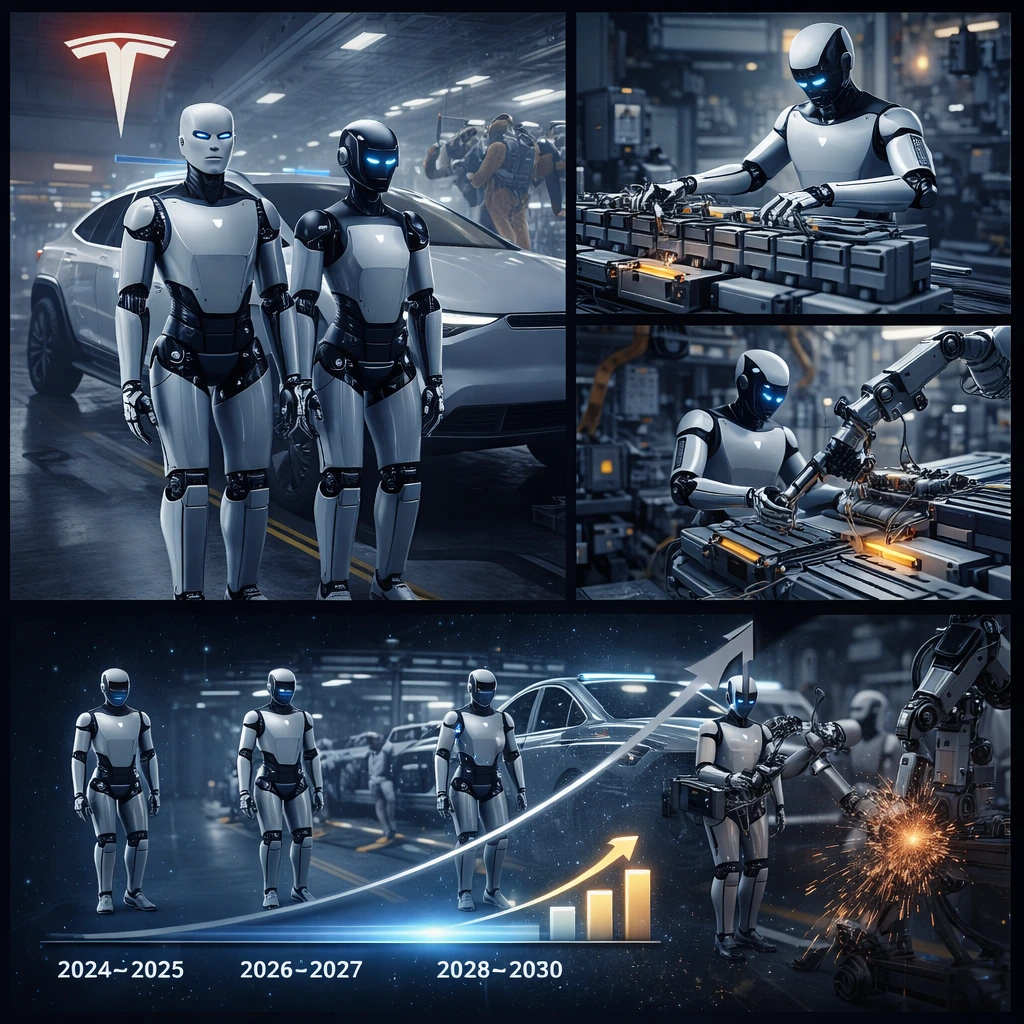
Tesla Optimus: The Only Company Thinking in Millions
Tesla
Tesla’s Optimus humanoid robot is the most ambitious project in the humanoid robotics market.
Tesla’s advantage is not robotics engineering alone. It is a scale.
- Market cap: ~$1.4–1.6 trillion
- Global manufacturing infrastructure
- Battery supply chain dominance
- An advanced AI stack for autonomous driving
Pricing & Production Reality
Target pricing is $20,000–$30,000 per robot.
Mass production has not yet been achieved.
Production Timeline Projection
2024–2025: Prototype refinement
2026–2027: Internal deployment in Tesla facilities
2028–2030: Potential scaled production phase
If humanoid robots ever reach automotive-style manufacturing scale, Tesla is positioned to lead.
The risk remains hardware durability and dexterity at scale.
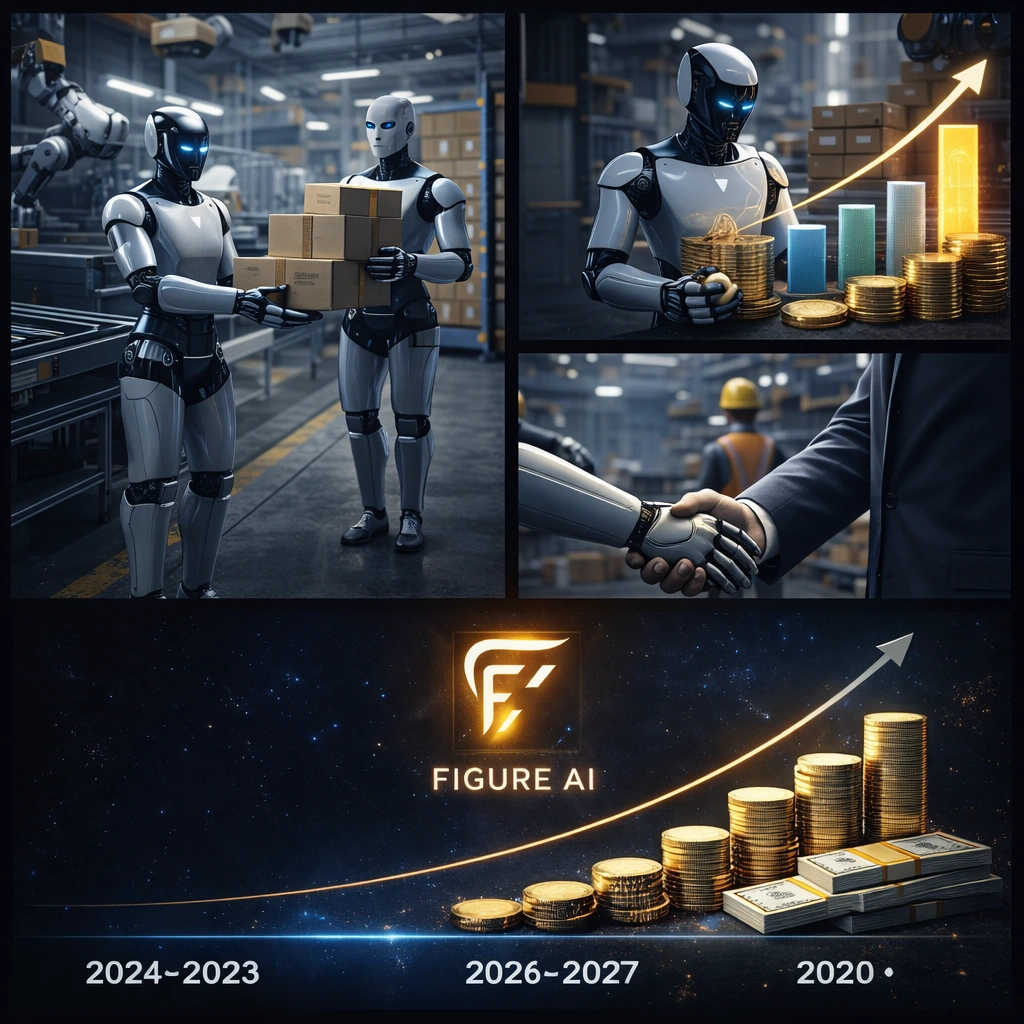
Figure AI: Industrial Focus Without the Hype
Figure AI has emerged as the strongest startup challenger in the humanoid robotics race.
Funding Timeline
2023: Early funding secured
2024: Major AI-aligned investment round
2025: Industrial logistics partnerships
2026: Multi-billion-dollar private valuation
Valuation claims of $39B are not publicly verified. Realistic estimates place it in the multi-billion range.
Strategy
The figure is focused on warehouse automation and repetitive logistics labor.
Deployment Timeline
2025–2026: Pilot warehouse testing
2027–2028: Expanded industrial contracts
2029+: Scaling phase if ROI proven
Figure’s focused industrial-first approach reduces risk compared to broad consumer ambitions.
Boston Dynamics: Engineering Brilliance, Commercial Gap
Boston Dynamics remains the engineering benchmark for humanoid robotics mobility.
Atlas demonstrates exceptional balance and motion control.
However, Atlas is not commercially sold.
The company, under Hyundai ownership, has historically been valued in the low billions, not the exaggerated figures often shared online.
Boston Dynamics leads in engineering innovation, not mass deployment.
Apptronik: Warehouse-First Practicality
Apptronik’s Apollo robot targets real industrial use cases.
Estimated pricing between $50,000–$100,000 reflects industrial-grade hardware reality.
Funding Timeline
2023–2024: Industrial robotics funding rounds
2025–2026: Warehouse pilot deployments
Apptronik’s strategy is focused on defined logistics tasks rather than general-purpose humanoid expansion.
Unitree Robotics: The Cost Disruptor
Unitree has demonstrated that humanoid robot pricing can fall dramatically.
- G1: ~$13,000–$16,000 (developer tier)
- H1: ~$90,000
Unitree’s impact on the humanoid robotics market is pricing pressure. Even if it does not lead to deployment, it influences cost expectations industry-wide.
1X Technologies: The Home Robotics Bet
1X targets service and home robotics.
Funding rounds during 2023–2025 positioned it as a serious player, but home robotics remains more complex than warehouse automation.
Domestic environments introduce variability, safety concerns, and unpredictable task requirements.
Industrial scaling will likely happen before widespread home deployment.
The Economics: Humanoid Robots vs Human Labor
Average warehouse labor cost in Australia:
$55,000–$75,000 annually
Hypothetical humanoid robot model:
$30,000 purchase
$3,000–$5,000 annual maintenance
Low energy cost
If uptime exceeds 80–90%, break-even may occur within 12–24 months. This is the core investment thesis behind the humanoid robotics market in 2026.
Production Timeline: 2026–2035 Outlook
2026–2027: Industrial pilot expansion
2028–2030: Cost compression phase
2030–2035: Limited mass industrial adoption
Consumer humanoid robots remain in the long term.
The real bottlenecks are:
- Mechanical durability
- Battery endurance
- Manufacturing throughput
- Regulatory and safety approval
AI improves adaptability. Hardware determines scalability.
2030 Revenue Scenarios
Conservative:
100,000 robots deployed
Average price $30,000
Revenue: $3B annually
Moderate:
500,000 units
Average price $25,000
Revenue: $12.5B annually
Aggressive:
1 million units
Average price $20,000
Revenue: $20B annually
Only when units scale into the millions does the humanoid robotics market justify trillion-dollar narratives.
Also Read: Will Optimus AI Robots Replace Surgeons? Elon Musk’s Claim vs Medical Reality
Final Assessment
The humanoid robotics race in 2026 is not about flashy demos.
It is about:
Cost per unit
Reliability under real industrial load
Manufacturing scalability
Economic break-even
Tesla leads in manufacturing ambition.
Figure leads in focused industrial deployment.
Boston Dynamics leads in engineering mobility.
Unitree leads in cost compression.
The winner will not be the company with the best demo.
It will be the company that can produce durable humanoid robots at scale for less than a human salary.
The race has started.
Mass adoption depends on economics.
FAQs
1. What is the size of the humanoid robotics market in 2026?
The humanoid robotics segment is still early-stage but supported by multi-billion-dollar funding within the broader $70B global robotics industry.
2. Is Tesla Optimus available for purchase?
No. Optimus is currently in pilot deployment and not yet commercially sold at scale.
3. Which company leads the humanoid robotics race?
Tesla leads in manufacturing ambition, while Figure AI leads among startups in industrial pilot deployment.
4. How much will humanoid robots cost by 2030?
Target pricing aims for $20,000–$30,000, though real costs will depend on manufacturing scale and durability improvements.
5. Can humanoid robots replace warehouse workers?
They may replace repetitive tasks if reliability and uptime reach industrial standards, but full workforce replacement is unlikely in the short term.
6. Is humanoid robotics a trillion-dollar opportunity?
Long term, potentially yes. But only if production scales into millions of units with strong economic ROI.

Similar Posts
Is PointClickcare a Reliable Cloud-Based EHR Software? Complete Review 2025
Target Savings Goal Calculator Unveiled: A Comprehensive Guide to Navigating Financial Success
AI in Australian Education 2025: Adoption, Policies, Statistics, and the Future of Learning