

Why Grooming Tools Are Getting Quieter Every Year
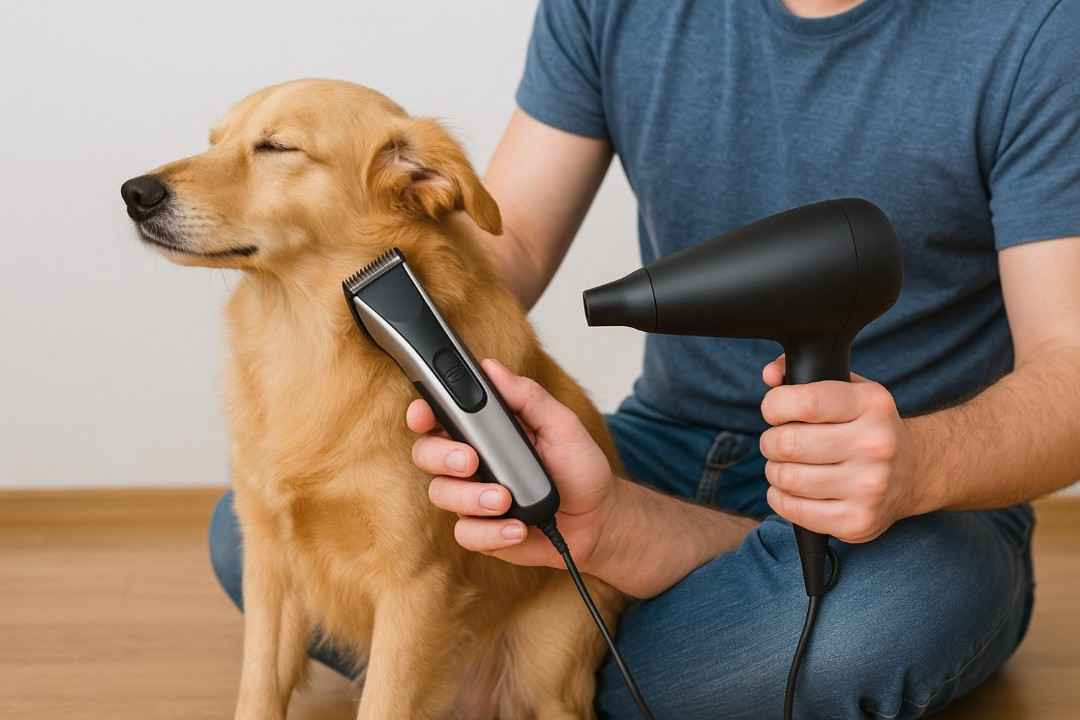
Pet grooming at home has changed significantly in recent years. What was once a routine marked by loud buzzing and anxious pets is now a calmer and more controlled experience. The shift has not happened by chance. It is the result of engineering advances, acoustic research, and a growing understanding of how sound affects animal behaviour. Modern grooming tools are designed for quiet performance, and the technology behind this transformation reveals how far the industry has come.
Many pets react strongly to noise. The sharp vibrations of older grooming devices often caused discomfort or fear, making grooming sessions stressful for both pets and their owners. As consumer expectations shifted and awareness of animal well-being increased, manufacturers moved toward designs that reduce noise at the source. Quiet grooming tools are now seen not only as a convenience but also as an essential part of responsible at-home care.
Understanding Why Noise Matters for Pets
Animals hear differently from humans. Many pets detect frequencies far beyond our range, which means even moderate sound levels can feel intense to them. In a grooming context, this heightened sensitivity can lead to restlessness, tension, or an unwillingness to be handled. And with about 66% of U.S. households owning a pet in 2024, according to Statista-backed data, manufacturers are under growing pressure to create tools that minimize stress and improve the at-home grooming experience.
When grooming tools operate quietly, pets remain more relaxed. Their breathing steadies. Their posture softens. Their reactions become more predictable. Reduced noise lowers the animal’s stress and creates a safer environment for the person handling the grooming session. The move toward quieter devices supports both comfort and control, making the grooming process more efficient and more pleasant.
The Shift Begins with Noise Mapping
Noise mapping has become one of the key engineering tools for improving grooming devices. Engineers study how sound travels through the body of a clipper or trimmer, focusing on the points where noise originates and how it disperses. They analyse vibration patterns, identify components that produce unwanted sound, and redesign those elements to minimise noise.
This process requires precision. Tiny changes in a motor’s structure or the alignment of internal parts can significantly reduce the overall sound level. Noise mapping provides manufacturers with a clear picture of where adjustments are needed, enabling them to build grooming tools that operate with a softer, steadier sound.
Motor Improvements Lead the Way
The heart of any grooming tool is the motor. Early models produced loud, uneven sound because of inconsistent rotation, loose internal parts, and limited vibration control. Modern motors are built with tighter tolerances and more refined engineering. This creates smoother movement, which naturally leads to quieter operation.
Advanced motors use materials that reduce friction and heat, two major contributors to unwanted noise. Improved bearings, better lubrication systems, and precision-balanced components all help create a quieter environment for pets. Some models also vary their speed electronically, maintaining consistent power without abrupt increases in sound.
Micro Vibration Engineering Creates Stability
Noise and vibration are closely linked. When a device vibrates heavily, it produces more sound and feels less stable in the hand. Engineers have addressed this by developing designs that limit micro movement within the tool.
Careful placement of internal supports, reinforced housing structures, and refined blade alignment all contribute to a smoother performance. This stability not only makes the tool quieter but also improves control for the person grooming the pet. A device that vibrates less is easier to guide along sensitive areas such as the face, paws, and undercoat.
Acoustic Insulation Softens the Remaining Sound
Even with noise mapping and motor improvements, some sound cannot be eliminated. Acoustic insulation addresses this. In many modern grooming tools, sound-absorbing materials surround the motor or line the interior casing. These materials prevent sound from echoing within the device and reduce the overall volume reaching the pet.
This approach mirrors techniques used in other industries, including automotive and appliance design, where quiet operation is essential. By applying these principles to grooming tools, manufacturers can deliver a calmer experience without compromising performance.
Redesigned Housings Reduce Echo and Airflow Noise
The shape of a grooming tool contributes to how sound escapes into the environment. Older models often had hollow housings that amplified internal noise. Modern forms use solid structures that limit echo and dampen vibration.
Airflow is another contributor to sound. When motors cool themselves, air moves through small openings, which can create a high-pitched tone. Redesigned housings guide airflow more smoothly, reducing this effect and contributing to the tool’s overall quietness.
A Better Experience for Pets and Owners
The benefits of quieter grooming tools extend beyond the technical improvements. They change how pets behave during grooming. When sound is gentle and steady, pets feel more secure. They are easier to handle, which lowers the risk of accidental cuts or missteps. Groom sessions become shorter, calmer, and more predictable.
For owners, quiet grooming tools create a more pleasant environment. The softer sound is easier on the ears and allows them to focus on technique rather than managing a stressed pet. The overall experience becomes something many people can manage confidently at home.
What Quieter Tools Mean for the Future of Pet Care
The rise of quiet grooming technology reflects a broader shift in pet care. People are paying closer attention to how animals experience everyday routines. As a result, product design is becoming more thoughtful and more aligned with animal comfort. Continued innovation will likely focus on further reducing vibration, improving battery performance, and enhancing blade technology to support even smoother operation.
This progress moves the industry toward grooming experiences that feel balanced and controlled. The technology does not replace the human role in grooming, but it makes the process safer and more comfortable for both parties.
For readers who appreciate grooming tools shaped by technical understanding and attention to animal comfort, Shopica includes options crafted with quiet performance, controlled vibration, and practical design in mind.

Similar Posts
How Can I Improve My Internet Speed for Streaming?
What’s the Role of Point Click Care CNA in Care Delivery?
How to Safely View Instagram Stories Anonymously? Are There Any Ways? Find It Out!