
Wearable Health Trackers: New Devices Predicting Health Problems Early
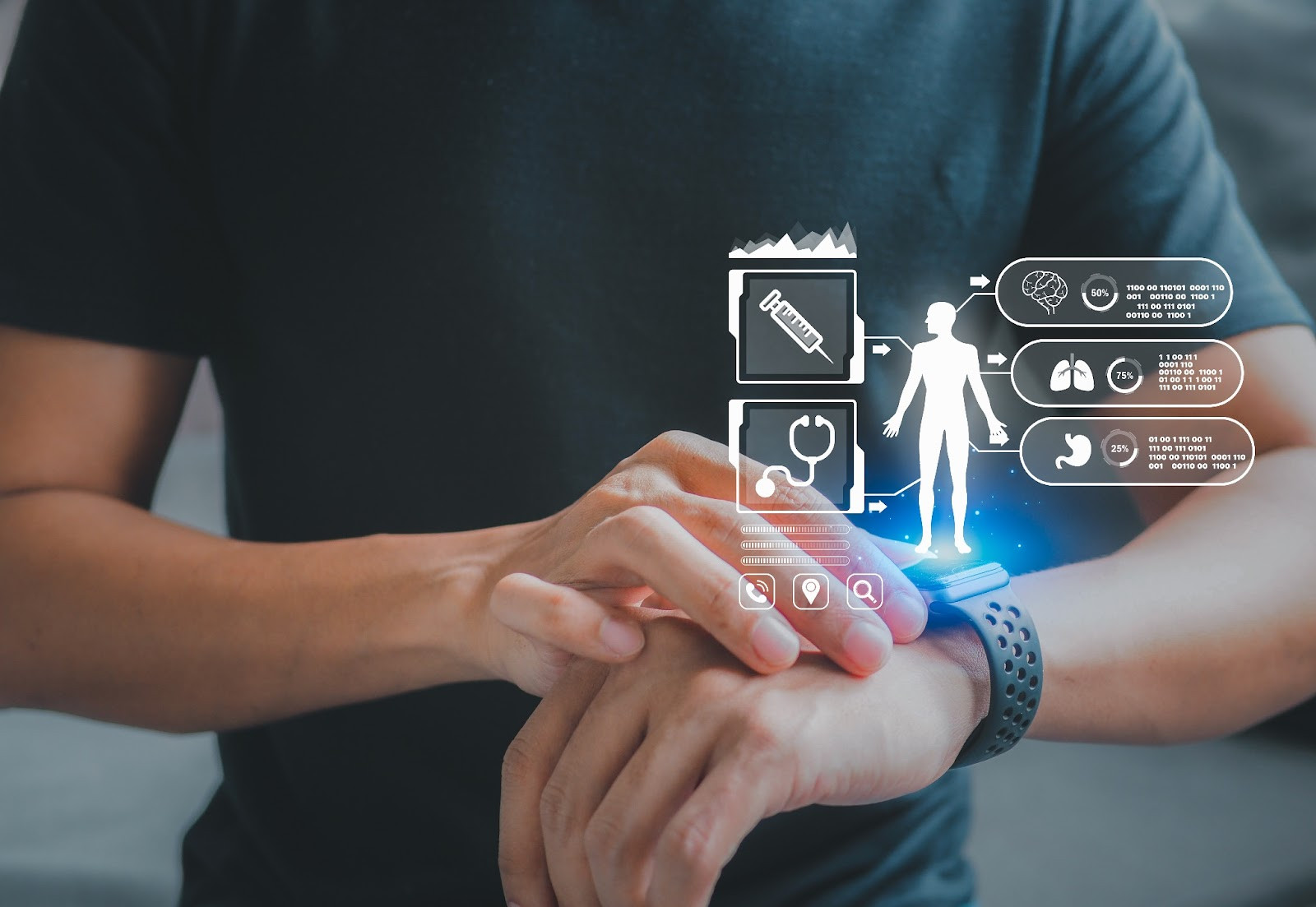
Wearable health trackers are transforming the future of personal healthcare. Today, these smart devices do far more than count steps—they detect early signs of illness, track chronic conditions, and provide real-time data that helps people take control of their health. Since early detection is the key to preventing major medical issues, wearable health trackers have become essential tools for people who want to stay healthier for longer.
As healthcare costs continue to rise, consumers and medical professionals are turning toward technology-driven preventive care. With powerful sensors, AI algorithms, and long-term activity data, these innovative devices are solving one of the biggest global challenges: catching health issues before they become serious.
What Are Wearable Health Trackers?
Wearable health trackers are smart gadgets—watches, rings, patches, and bands—that monitor physical activity and essential body metrics. Although many people use them casually for fitness, modern trackers now play a critical role in medical monitoring.
Common Features Include:
- Heart rate tracking
- Blood oxygen (SpO2) monitoring
- Sleep cycle analysis
- Stress and recovery reports
- Temperature monitoring
- Blood pressure estimation
- ECG (Electrocardiogram) readings
Because these devices monitor the body constantly, they can detect patterns the user might overlook.
For example, according to research published by Stanford University, continuous data analysis allows devices to identify viral infections up to 48 hours before symptoms appear.
How Wearable Health Trackers Predict Health Problems Early
New wearable devices use a combination of AI-powered analytics, medical-grade sensors, and long-term physiological data to catch problems earlier than traditional checkups.
Below are the biggest ways wearable health trackers identify early risks:
Tracking Heart Rate Variations (HRV)
A sudden drop in Heart Rate Variability often signals:
- Stress overload
- Early infection
- Cardiovascular strain
- Sleep deprivation
Because HRV is a strong predictor of health issues, many medical researchers consider it a critical biomarker. Devices like Oura and WHOOP use HRV trends to warn users when the body is under strain—even before they feel unwell.
Monitoring Abnormal Sleep Patterns
Poor sleep is directly linked to:
- Immune response problems
- Cognitive decline
- Cardiovascular risk
- Hormonal imbalance
Wearable devices analyze sleep stages, movement, breathing patterns, and interruptions. If unusual patterns develop, the device issues early warnings about potential sleep disorders.
Identifying Early Signs of Infection
Many modern trackers can detect:
- Elevated resting heart rate
- Increased skin temperature
- Reduced activity levels
According to data from Mayo Clinic, such biomarkers can reveal sickness days before symptoms are noticeable.
Detecting Irregular Heart Rhythms
Advanced health wearables include ECG sensors that detect:
- Atrial fibrillation (AFib)
- Irregular heartbeats
- Abnormal breathing during sleep
Companies like Apple have collaborated with the American Heart Association to validate the accuracy of these features.
Predicting Stress & Mental Health Declines
Using HRV, skin temperature, and breathing rate, wearables outline stress levels throughout the day. When stress remains consistently high, the device alerts the user about potential burnout—allowing early intervention.
Types of Wearable Health Trackers Leading Early Detection
Below are the most popular wearable categories helping users improve daily well-being.
Smartwatches
Smartwatches combine fitness tracking with advanced sensors for 24/7 monitoring. They typically include:
- ECG readings
- Blood oxygen sensors
- Fall detection
- Activity reminders
Smartwatches remain the most versatile type of wearable tech.
Smart Rings
Lightweight yet powerful, smart rings track:
- Nighttime recovery
- Body temperature
- HRV
- Sleep quality
These rings offer precise health data with minimal distraction.
Smart Patches & Biosensors
Patches are used for:
- Glucose monitoring (diabetes care)
- Hydration tracking
- Real-time illness detection
These devices are widely used in hospitals and by athletes.
Smart Clothing
Smart shirts and compression gear monitor:
- Muscle fatigue
- Breathing quality
- Movement patterns
Although still developing, smart clothing is expected to grow rapidly in medical rehabilitation.
Benefits of Wearable Health Trackers for Early Detection
To understand why these devices are becoming essential, here are the biggest advantages:
Early Warning Signs
Trackers identify abnormal patterns long before symptoms appear.
Better Chronic Disease Management
Wearables help people manage conditions like:
- Diabetes
- High blood pressure
- Heart disease
Reduced Healthcare Costs
Preventive care is significantly cheaper than emergency treatment.
Continuous Monitoring
Unlike annual checkups, wearables analyze the body 24/7.
AI Insights for Personalized Health
Users receive tailored recommendations based on their daily patterns.
How Wearable Trackers Are Used in Real Life
These devices are now part of daily life for many groups.
Students
Use wearables to track sleep, reduce stress, and improve focus.
Athletes
Depend on trackers to optimize recovery and prevent injuries.
Patients
Many rehabilitation programs now rely on digital wellness tools for real-time reporting.
Elderly Individuals
Wearables assist with fall detection, emergency alerts, and heart rhythm monitoring.
Challenges & Limitations of Wearable Health Trackers
Although helpful, these devices have a few limitations.
Data Accuracy Issues
Not all trackers provide medical-grade readings. Accuracy varies by brand and sensor quality.
Privacy Concerns
Healthcare data is highly sensitive. Users must choose devices with strong encryption.
Battery Limitations
Daily charging may reduce consistent monitoring.
Over-reliance on Technology
Some users self-diagnose incorrectly based on incomplete data.
The Future of Wearable Health Trackers
Wearable technology is becoming smarter every year. The next generation will introduce:
- Continuous glucose monitoring without needles
- AI predictive health scoring
- Early cancer detection biomarkers
- Multi-sensor smart clothing
- Medical-grade diagnostic watches
According to MIT’s digital health research, AI-driven devices will soon outperform traditional diagnostic tools in several early-detection areas.
Conclusion
Wearable health trackers are no longer just fitness gadgets—they’re powerful tools that help predict health problems early. With their real-time monitoring, AI-powered insights, and continuous collection of accurate body data, these devices give people more control over their well-being. As technology continues to evolve, individuals and healthcare professionals will rely even more on wearables for preventive care.
If you want to stay updated on smart health innovations, explore more guides on TechNew smart device category and discover the latest trends shaping digital wellness.
FAQs About Wearable Health Trackers
Can wearable health trackers really detect diseases early?
Yes. Many trackers monitor changes in heart rate, temperature, oxygen levels, and sleep patterns—helping identify early signs of potential illness.
Are wearable trackers accurate?
Most premium brands offer highly accurate readings, especially those validated by the American Heart Association.
Can wearables replace a doctor?
No. They can help identify early symptoms but should never replace professional diagnosis.
Which wearable is best for health monitoring?
Smartwatches, smart rings, and medical-grade biosensor patches offer the best results.
Are wearable health devices safe?
Yes, as long as users choose brands with proper data encryption and trusted manufacturers.
About the Author
This article is written by a tech research writer specializing in emerging technologies, health innovations, and future-focused digital trends. The author focuses on creating data-driven, reliable, and easy-to-understand content that helps readers stay informed about the latest advancements in wearable technology and digital health.
Similar Posts
iPhone 17 vs iPhone 16 | Is the Upgrade Worth It?
Nexcopy: Leading USB Duplicators for Data Replication
Turn Images into Text: Discover the 10 Top OCR Software Recommendations