
Using Technology To Stay Resilient: Self-Care Strategies For Modern First Aiders
Disclaimer: This content is for general informational purposes only and does not replace professional first aid training, medical advice, or mental health support. Always follow local guidelines, workplace policies, and the direction of qualified professionals during emergencies. References to technology or frameworks are illustrative and do not guarantee outcomes.
First aid is mostly considered in practical terms. People are more likely to learn CPR, how to bandage a bloody wound, or what do about some fucking emergency. Much less acknowledged is the psychological and cognitive burden that can come with being a first aider, particularly when trauma or adverse incidents are intense, unexpected, or recurrent. As responding to disasters grows more complex, technology is increasingly helpful not only in improving response accuracy but also in enhancing long-term resilience.
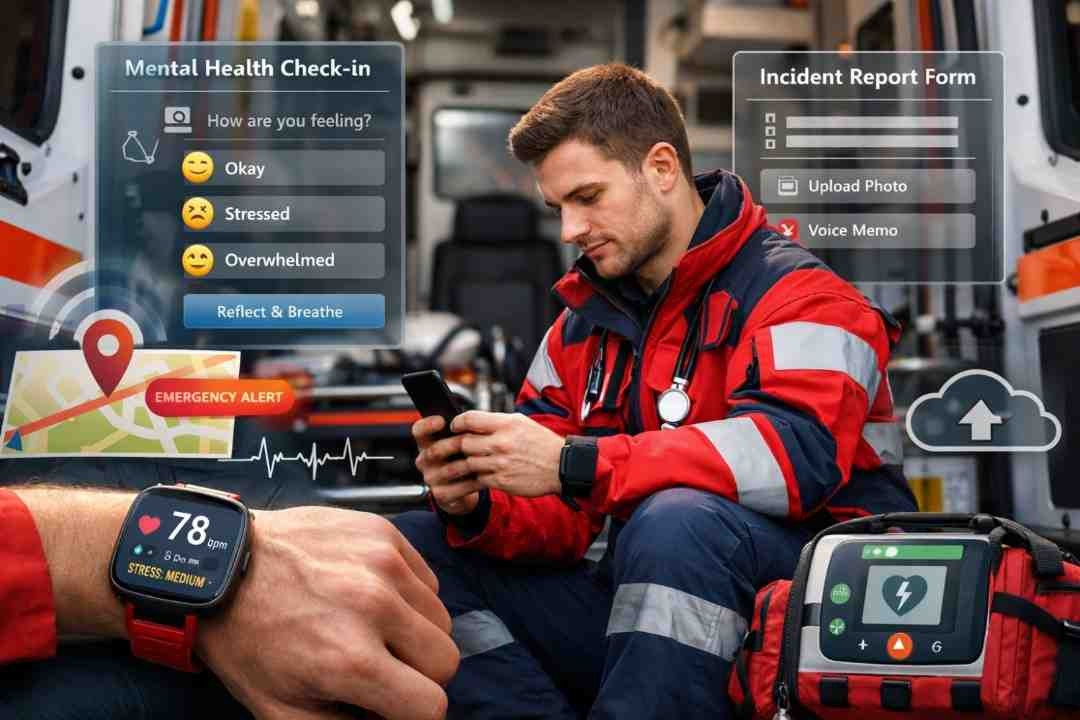
Far from substituting for human judgment, today’s digital tools are designed to minimize uncertainty and assist with decision-making, while helping first aiders cope with the mental challenges that accompany responsibility in an emergency.
The Mental Load Behind Emergency Response
In cases of emergency, first aiders need to think quickly, remember treatments, and communicate effectively. This confluence results in a high cognitive burden. Cf journal from calm times, we watch these stress-inducing fires, despite intensive training, even trained staff can become emotionally paralysed in the heat of battle.
This challenge is reflected in real-world outcomes. In the United States, only about 40% of people who experience cardiac arrest receive bystander CPR, highlighting persistent gaps in preparedness and confidence despite widespread awareness of first aid principles.
How Digital Training Platforms Support Preparedness
Traditional first aid education relies heavily on in-person sessions and printed materials. While these remain essential, digital platforms now extend learning beyond the classroom. Online systems allow first aiders to refresh knowledge, revisit scenarios, and stay aligned with updated protocols without waiting for formal retraining sessions. Increasingly, these platforms also integrate structured frameworks, such as a Mental Health RULES Action Plan, to help first aiders recognise early warning signs, apply clear response steps, and maintain appropriate boundaries when psychological distress is involved.
Most digital platforms employ adaptive learning models that identify weak points and reinforce fundamentals. It’s this continual reinforcement that allows confidence to be kept, especially in procedures which may only be used infrequently but are crucial when they are. By embedding mental health frameworks within digital learning, first aiders achieve both technical competency and an understanding of how to respond calmly and consistently in emotionally charged situations.
Beyond training alone, technology reshapes how first aiders are supported before, during, and after incidents.
| Area of Support | Traditional Approach | Technology-Supported Approach |
|---|---|---|
| Skill refresh | Periodic in-person retraining | On-demand digital learning and scenario refreshers |
| Stress exposure | Real incidents only | Simulated environments that allow safe stress practice |
| Decision-making | Memory-based under pressure | Guided prompts and structured digital checklists |
| Post-incident reflection | Informal or skipped entirely | Digital reporting and guided reflection tools |
| Emotional boundaries | Role clarity is learned over time | Built-in escalation paths and handover protocols |
| Long-term resilience | Individual coping strategies | Ongoing monitoring and support through digital systems |
Simulation Technology and Stress Exposure
Simulators have transitioned from teaching devices into simulation systems. Contemporary simulations can apply time pressure, distract from the environment, and result in inconsistent outcomes; these factors enable first aiders to experience stress in a repeatable manner.
From a resilience perspective, this is important because exposure breeds familiarity. If first aiders are aware of how stress affects their cognition and responses, they will be able to control those effects during an actual event. Simulation-based training also promotes reflection, an individualistic opportunity for improvement without the emotional intensity of real-life consequences.
Digital Support During and After Incidents
Technology is increasingly supporting first responders during and after emergencies. Mobile guidance tools can provide structured prompts during infrequent but critical procedures, acting as cognitive checkpoints rather than replacements for training. Evidence suggests these digital interventions can influence real-world outcomes. Technology-activated first responders were associated with significantly higher rates of bystander CPR and AED use, as well as better survival with favourable neurological outcomes at 30 days, compared with non-activated groups.
After an incident, digital reporting systems reduce the burden of recall by helping document actions clearly and accurately. Some platforms also encourage post-incident reflection, allowing first aiders to recognise stress responses early and take appropriate steps to recover.
Maintaining Emotional Boundaries With Technology
One problematic scenario that first aiders commonly encounter is in understanding where their role ceases. Digital systems can support the establishment and maintenance of these boundaries by unequivocally establishing escalation paths, handover procedures, and follow‐up processes. This clarifies emotional pressure and reduces frustration for the first constituent in cases where things do not go as wished.
By facilitating structured communication and role clarity, technology enables first aiders to recognise when to disengage once professional medical services are appropriately available.
Limitations and Responsible Use
Technology is a crutch, however, not an assurance. Online projects can fall apart because of connectivity problems, out-of-datiness , or just lousy implementation. Trimodal can also lead to a lack of confidence when tools are not at one’s disposal.
Effective use depends on balance. Technology should supplement manual instruction, not be a substitute for it. Regular updates, reasonable expectations, and critical guarantees are more important than ever. Data privacy and the ethical recording of incident reports are also key concerns, especially in occupational and healthcare environments.
Why a Tech-Supported Approach Matters
As emergency environments evolve, first aiders face greater expectations and higher emotional demands. Technology helps bridge the gap between knowledge and action by supporting memory, decision-making, and emotional well-being.
More importantly, it supports sustainability. First aiders who feel prepared, supported, and confident are more likely to remain effective over time rather than experience burnout or withdraw from the role.
Conclusion
First-aiders are preparing for, responding to, and recovering from emergencies using new interconnected technologies. Technology can help reduce cognitive load and provide long-term support through digital training platforms, simulation tools and post-incident stress options.
Used with responsibility, however, such equipment only amplifies; it enhances the human part of first aid a lot, but does not replace it. In an environment of increasingly digital emergency systems, their role in underpinning technical competence and also emotional well-being will continue to be essential to contemporary response.
Similar Posts
Is Snokido the Ultimate Destination for Free Online Gaming? Unbiased Review
Maximizing Your Impact: Strategies for Effective Business Marketing on Social Media
Is Trello The Right Fit For Your Project Management Needs? Unbiased Review