

Top 5 Industries Set to Create Trillions by 2026 | Robotics, Energy, AI, Space, And Defense
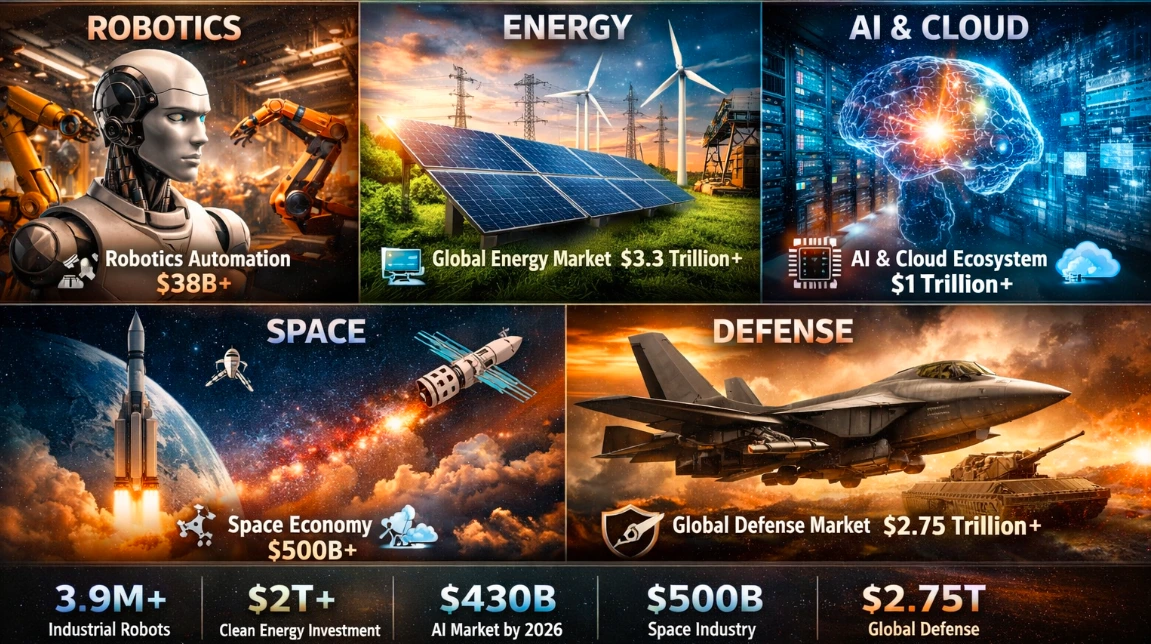
Right now, everyone is chasing trends. But trends don’t create trillions. Infrastructure does.
If you’re reading this in 2026 mindset, what you really want to know is simple:
Which industries are about to control money, power, and global influence at scale?
After reviewing investment flows, government budgets, and forecasts from energy agencies, defense institutes, and technology analysts, five sectors stand out clearly. These are not speculative bets. These are systems the world is already paying trillions for.
Let’s break down the top 5 industries set to create trillions by 2026, with real numbers.
1. Robotics: Turning Labor Into a Scalable Asset
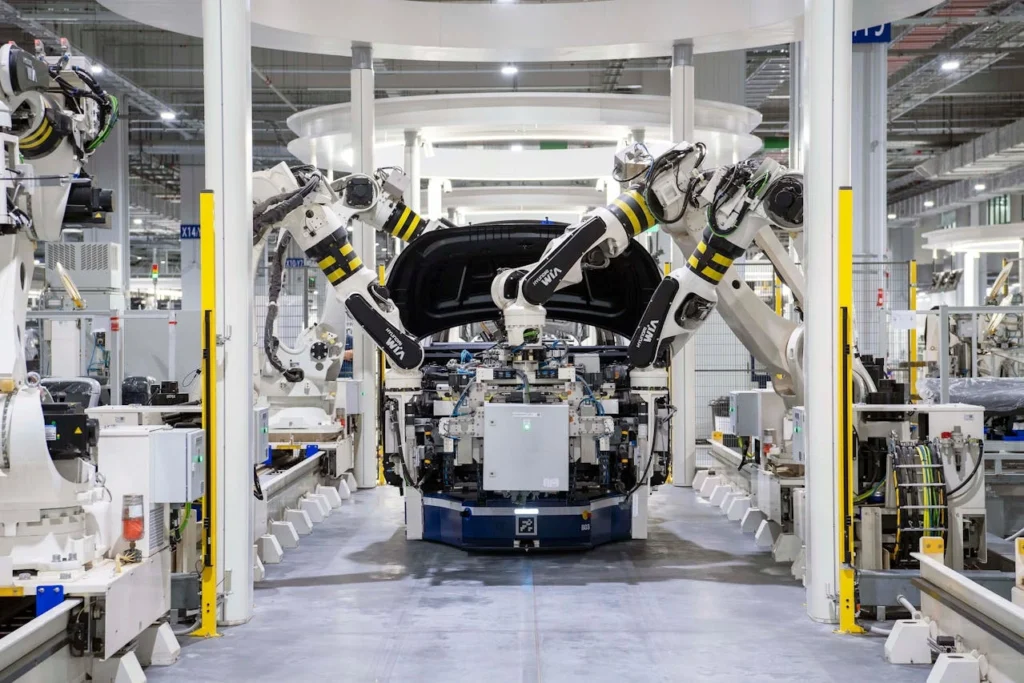
The global robotics market itself is still measured at US$50.38bn by 2025, but focusing only on robot sales misses the bigger picture.
According to the International Federation of Robotics, over 3.9 million industrial robots are already operating worldwide, and annual installations continue to grow at double-digit rates. In manufacturing alone, automation is estimated to contribute $1.5–2.0 trillion annually in productivity gains by the mid-2020s.
Where the money really comes from:
- Automated manufacturing lines
- Robotics-driven logistics and warehousing
- Healthcare robotics is reducing the cost per procedure
- Defense and autonomous systems
You’re not looking at a “robot market”. You’re looking at robotics rewriting how trillions of dollars of goods and services are produced.
By 2026, robotics will become a value multiplier, not a standalone industry.
2. Energy: The Largest Trillion-Dollar Industry on Earth
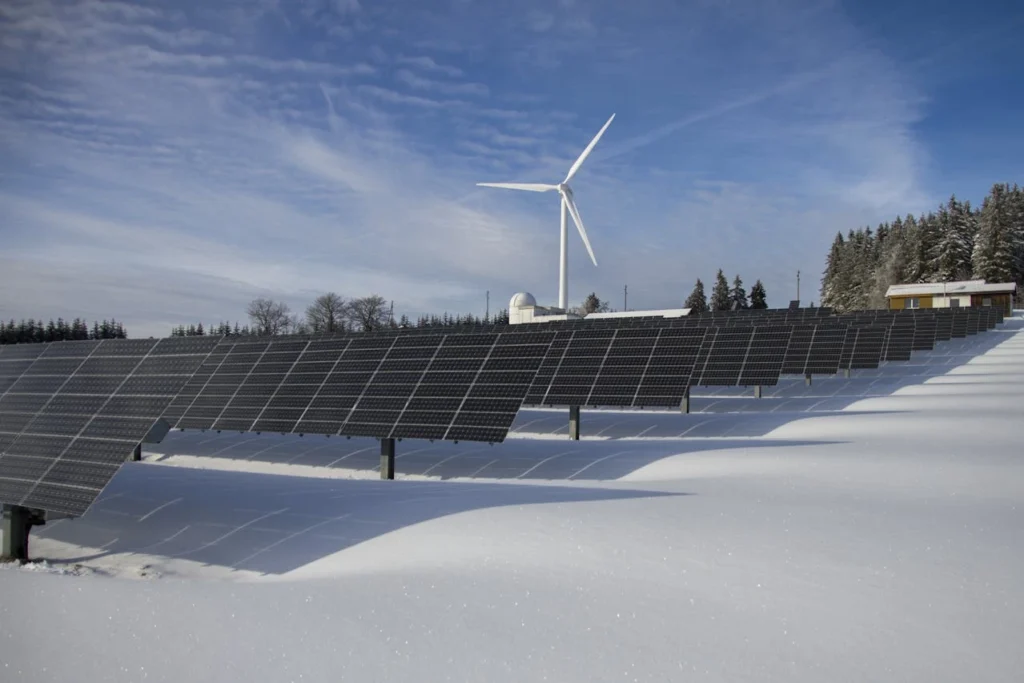
Energy doesn’t get trendy headlines, but it quietly absorbs more capital than almost any other sector.
According to the International Energy Agency (IEA):
- Global energy investment crossed $3.3 trillion per year by 2025
- Clean energy accounts for nearly $2 trillion annually
- Electricity demand is growing faster than GDP in major economies
This sector includes:
- Oil and gas (still massive)
- Renewable energy (solar, wind, hydro)
- Grid infrastructure and storage
- EV charging networks
- Energy optimisation software
By 2026, the global energy economy will operate comfortably at a multi-trillion-dollar scale, with recurring investment cycles locked in for decades.
Energy is not optional. Every digital, AI, or defense system depends on it.
3. Artificial Intelligence and Cloud: The Trillion-Dollar Digital Engine

AI alone does not tell the full story. The real economic force is AI + cloud + data infrastructure combined.
Authoritative forecasts show:
- Global AI software market: $430–500 billion by 2026
- Global cloud services market: $700+ billion annually
- Data center construction and AI infrastructure: $300–400 billion per year
When you add:
- AI chips and accelerators
- Cloud platforms
- Enterprise AI subscriptions
- Networking and storage
You’re looking at a trillion-dollar digital ecosystem, not a single category.
This is why AI feels “everywhere” now. It is no longer a feature. It is economic infrastructure.
If energy powers the physical world, AI and cloud power the digital one.
4. Space: The Quiet Backbone of Global Power
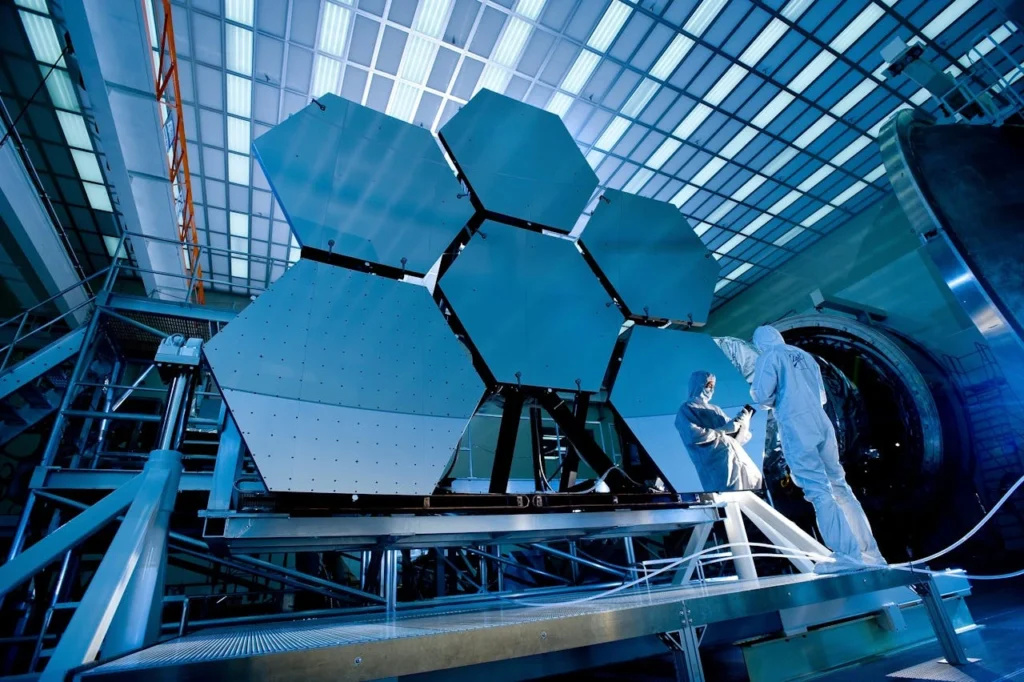
Space does not yet print trillions in revenue, but it enables them.
According to space economy estimates:
- Global space economy value approaches $500–600 billion by 2026
- Satellite services dominate over 50% of total space revenue
- Launch costs have dropped by over 70% in the last decade
Space supports:
- Global internet and communications
- GPS and navigation
- Climate and Earth monitoring
- Military intelligence and surveillance
Every autonomous vehicle, precision weapon, global payment system, and climate model depends on space infrastructure.
This is why governments treat space as strategic infrastructure, not a commercial toy.
5. Defense: A Trillion-Dollar Industry Accelerating Fast

Defense is already operating at scale, and it is accelerating.
According to defense industry reports:
- Global defense spending exceeds $2.5–3 trillion annually
- AI-enabled systems are one of the fastest-growing segments
- Long-term government contracts lock revenue for decades
Modern defense spending now includes:
- Autonomous drones and robotics
- Cyber warfare platforms
- AI-driven surveillance and intelligence
- Space-based defense systems
Unlike consumer tech, defense budgets do not fluctuate with sentiment. They are driven by geopolitics, and geopolitics in 2026 is volatile.
Defense is not shrinking. It is structurally expanding.
The Pattern That Makes These Five Unstoppable
Here’s the part most blogs miss.
These sectors are not independent:
- AI optimises energy grids and defense systems
- Energy powers AI data centers and robotics factories
- Space enables defense, navigation, and global connectivity
- Robotics strengthens manufacturing, logistics, and military operations
They reinforce each other. That is why value compounds instead of fragmenting.
This is how trillion-dollar ecosystems form.
Why This Matters for You in 2026
If you are:
- Building a tech company
- Investing in innovation
- Watching global power shifts
- Or simply trying to understand where the world is heading
These five sectors define the next decade of economic gravity.
Ignore them, and you miss where money and influence are concentrating.
Final Takeaway
Trillions are not created by hype cycles. They are created by systems the world cannot function without.
By 2026, Robotics, Energy, Artificial Intelligence & Cloud, Space, and Defense will not be optional industries. They are the backbone of the global economy.
That is why capital, governments, and talent continue to flow into them and why they dominate the trillion-dollar conversation.
FAQs
Which industries will create the most wealth by 2026?
By 2026, the industries expected to create the most wealth are energy, artificial intelligence and cloud computing, defense, robotics, and space. These sectors attract massive government and enterprise spending and operate as long-term economic infrastructure.
Why are energy and defense considered trillion-dollar industries?
Energy and defense are considered trillion-dollar industries because they receive continuous global investment. Energy powers every economy, while defense spending is driven by long-term geopolitical and security needs that do not slow down during economic downturns.
Will artificial intelligence really become a trillion-dollar industry?
Artificial intelligence on its own may not reach a trillion dollars by 2026, but AI combined with cloud computing, data centers, chips, and software services already forms a trillion-dollar ecosystem that continues to grow rapidly.
Is the space industry expected to reach a trillion dollars by 2026?
The space industry is not expected to reach a trillion dollars by 2026, but it is growing fast and enables trillion-dollar industries such as defense, communications, navigation, and global data services.
Why is robotics included if its market size is smaller?
Robotics is included because it multiplies productivity across trillion-dollar sectors like manufacturing, logistics, healthcare, and defense. Its economic impact is far larger than robot sales alone, making it critical to future growth.

Similar Posts
Top 5 Classroom 30x Games to Play to Improve Children’s Brain Health in 2025
How Oscar, the Fake Creepy Lab Robot, Has Fooled More Than 100 Million People on the Internet?
Cold Eeze Cooling Ace Review (2026): What You Should Know Before Buying