

The Role of Technology in Supporting Resilient Mental Health First Aiders

Supporting someone through emotional distress has always been important work. According to a Statista survey, more than 4 in 10 U.S. adults report experiencing symptoms of mental health problems, including stress, anxiety, or depression, highlighting how common these challenges have become. Today, however, first aiders have access to tools that make this role safer, clearer, and more sustainable. Modern training programs now combine digital platforms, online learning, and technology-supported action plans that strengthen both confidence and personal resilience. While empathy remains at the heart of first aid, long-term support requires more than goodwill. It calls for clear structure, reliable guidance, and proven frameworks that help first aiders respond effectively without becoming overwhelmed. Technology-enabled learning, including online Mental Health RULES Action Plan, delivers this support through interactive modules, guided pathways, and digital versions of established action plans that protect both the helper and the person receiving care.
The Emotional Weight of Supporting Someone in Crisis
When you have a mental health problem, that first aider is often the person you first open up to. This function is one of careful listening, risk assessment, reassurance and endorsement of appropriate professional help. These responsibilities can be draining, especially when hard choices need to be made quickly and in the most humane manner possible.
Without structured training, first aiders may absorb stress, feel responsible for outcomes beyond their control, or struggle with uncertainty about what to do next. Technology-enhanced programs help address these challenges by introducing clear frameworks such as the Mental Health RULES Action Plan, which guides first aiders through a structured, step-by-step response. Through virtual lessons, guided assessments, and realistic practice scenarios, first aiders gain clarity about their role and boundaries. This approach reinforces the principle of supporting rather than solving, allowing helpers to remain present, confident, and effective without carrying unnecessary emotional pressure.
How Technology-Based Training Builds Confidence and Lowers Stress
How we learn crisis response skills has become digital. The complexity of mental health is simplified through bite-sized content with interactive activities to aid learning. Rehearsing reactions within realistic situation on scenarios also build familiarity and comfort so that when the are faced with real-world challenges they have confidence in their ability to replicate the response.
Technology also solidifies framework structures by making them more available and applicable. Digital action plans can feature quick-reference tools, mobile-optimized checklists and cues that help direct first aiders in the midst of a stressful situation. A reliable guide in digital form makes uncertainty smaller and thus helpers can act more calm, concentrated, and grounded when emotions are running high.
Using Technology to Maintain Healthy Boundaries
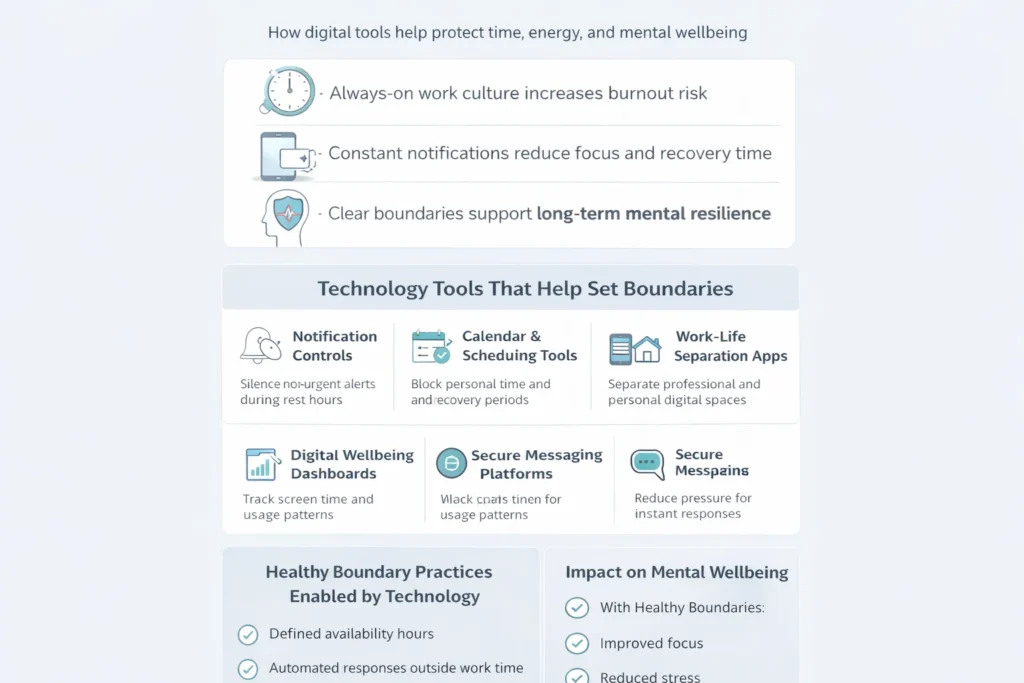
Burnout often begins when boundaries are unclear. Modern First Aid for Mental Health Courses uses technology to reinforce role limits and personal responsibility. Learning dashboards, scenario-based assessments, and guided reflections help first aiders understand where their role starts and where it should end.
Online training specifically says first aiders give primary care, not ongoing treatment. Interactive lessons helps them learn when to draw back, when to encourage professional help and how to recognize personal limits. As these materials are available post-training, before aid members can go back to them for reassurance or clarity as and when they need it so that they can continue to keep the emotions in check over time.
The Role of Digital Debriefing and Self-Reflection
After carrying someone else through a trying ordeal, it’s hard not to be haunted by the emotions. Self care is healthy by recognizing these feelings and expressing them in a constructive way. Many training courses will now come with digital debriefing tools which lead first aiders through guided reflection. They encourage a reflective look at what happened, help to dissipate some emotional pressure and support learning without self-recrimination.
Technology also supports ongoing self-awareness. Online check-ins and self-assessing tools enable first aiders to keep an eye on their emotional health and notice early signs of stress. This regular reflection enhances the resiliency of a person and helps in preventing long-term emotional burnout.
Sustaining Well-Being Through Technology-Supported Habits
Long-term resilience depends on consistent self-care, not just crisis management. Technology can support healthier daily habits through mindfulness apps, guided breathing exercises, tracking tools, and digital planners that encourage balance and rest. These resources help first aiders manage stress levels, maintain emotional stability, and stay mentally present.
The practical skills also make these instruments more popular in training programs. By marrying empathetic interaction with technology-enabled self-care, first aiders are better situated to help their fellow humans clear-headed, patient and calm.
Final Thoughts
Mental health first aid is still an essential service, but as I’m finding out, it can be emotionally challenging without the necessary support. With technology-enhanced training, the modern first aider has a more formalized, supported and sustainable experience. By accessing online learning platforms, digital action plans and interactive training programmers, our qualified first aiders are armed with the confidence and clarity to help others efficiently whilst looking after themselves too.

Similar Posts
Will AI Replace Doctors in Healthcare Shortly
3 Key Strategies: How to Use Weclick4PDF for Better Document Handling
Mastering the Digital Landscape: The Impact of SEO in Sydney