

Oral Care in 2026: How Tech-Driven Clinics in Australia Enhance Patient Outcomes
Disclaimer: This article is for informational purposes only and does not constitute medical advice. Always consult a qualified dental professional for diagnosis or treatment.
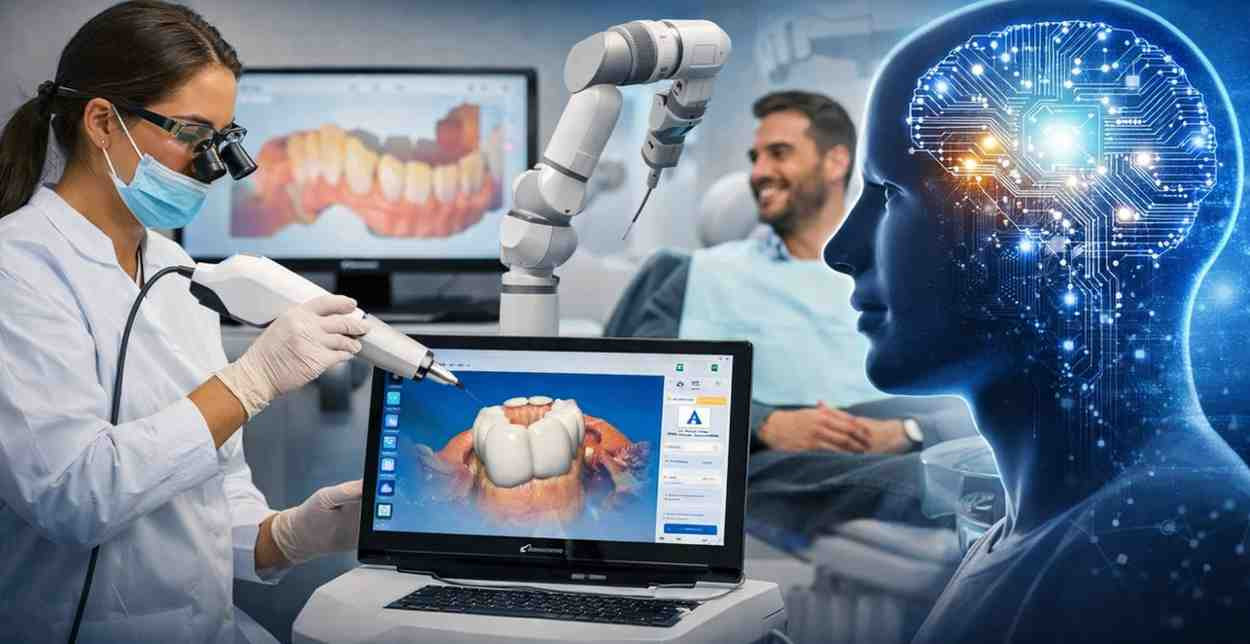
In recent years, dental care in Australia has undergone a profound transformation, with clinics adopting cutting-edge technologies that elevate preventive and restorative treatments. Patients today are benefiting from a blend of innovative digital tools, patient-centric service models, and enhanced treatment protocols designed to improve comfort, accuracy, and long-term oral health. Central to this evolution is a shift in focus toward individualized care that anticipates patient needs, streamlines clinical workflows, and supports earlier intervention. This shift is reflected in clinical adoption trends; a cross-sectional study found that 76 % of dentists now use digital tools in practice, with 90.3 % using intraoral scanners and 83.3 % relying on digital design software, underscoring the widespread integration of digital workflows in modern dentistry. This transformation has not only made dental visits more effective but has also redefined expectations about what contemporary oral care should deliver.
At the heart of this transformation is the integration of advanced diagnostics. High-resolution imaging systems, such as intraoral scanners and 3D cone-beam computed tomography (CBCT), are becoming standard in progressive practices. These technologies allow clinicians to visualize the intricate structures of the teeth, jaw, and facial bones with a level of detail that was previously unattainable. As a result, practitioners can detect issues such as early-stage decay, periodontal bone loss, and impacted teeth much earlier, enabling more conservative, targeted treatment plans.
Digital Workflows and AI Powering Smarter Clinical Decisions
Equally important is the adoption of digital workflows that enhance treatment precision and patient experience. Computer-aided design and manufacturing (CAD/CAM) systems have revolutionized prosthodontics and orthodontics by enabling same-day crowns, bridges, and aligners. Patients no longer face prolonged waits for lab-fabricated restorations; instead, custom restorations can be designed and milled chairside with exceptional fit and aesthetics. This not only improves convenience but also reduces the margin for error inherent in traditional impression and lab-dependent processes.
The implementation of artificial intelligence (AI) tools in dental diagnostics and planning has further redefined clinical decision-making. AI algorithms can analyze imaging data to identify patterns that may be difficult for the human eye to discern, helping dentists diagnose caries, assess bone density, and plan implant placements with greater confidence. By augmenting clinical insight, AI helps minimize diagnostic uncertainty and supports more precise, personalized treatment strategies.
Patient Engagement, Education, and Digital Communication
However, technology is only as effective as the philosophy guiding its use. In Australia’s most forward-thinking practices, there is an emphasis on a patient-first approach from dentists in Sunbury that prioritizes education, empathy, and active collaboration. This model shifts the narrative from simply “fixing teeth” to empowering patients with knowledge about their oral health and involving them in decisions about their care. Patients are engaged through digital visualizations of treatment options, real-time procedural demonstrations, and transparent communication about risks and benefits. This education-forward strategy not only alleviates anxiety but also encourages long-term compliance with preventive routines.
Digital communication platforms further enhance the patient journey by facilitating seamless scheduling, reminders, and follow-ups. Telehealth consultations have expanded access to specialist input, especially for rural or mobility-limited patients, enabling preliminary assessments or treatment discussions without an initial in-office visit. This convenience aligns with growing patient expectations for flexible, technology-enabled healthcare interactions.
Data, Comfort, and Personalization Driving Better Outcomes
Personalization extends beyond clinical diagnostics. Practices are also embracing data analytics to monitor treatment outcomes at the population level, identify trends in patient responses, and refine protocols to improve effectiveness. For instance, patient feedback, clinical outcomes, and follow-up data are aggregated and analyzed to tailor preventive recommendations, optimize recall intervals, and refine educational content. By marrying clinical expertise with real-world performance metrics, clinics can continuously enhance the quality of care they deliver.
Another game-changing area is pain management and patient comfort. Technological advancements, such as computer-controlled local anesthetic delivery systems and minimally invasive laser therapies, have significantly reduced discomfort associated with many dental procedures. Especially for patients with dental anxiety, these innovations can transform the treatment experience and foster greater trust in the dental setting.
The Future of Restorative, Implant, and Preventive Dentistry
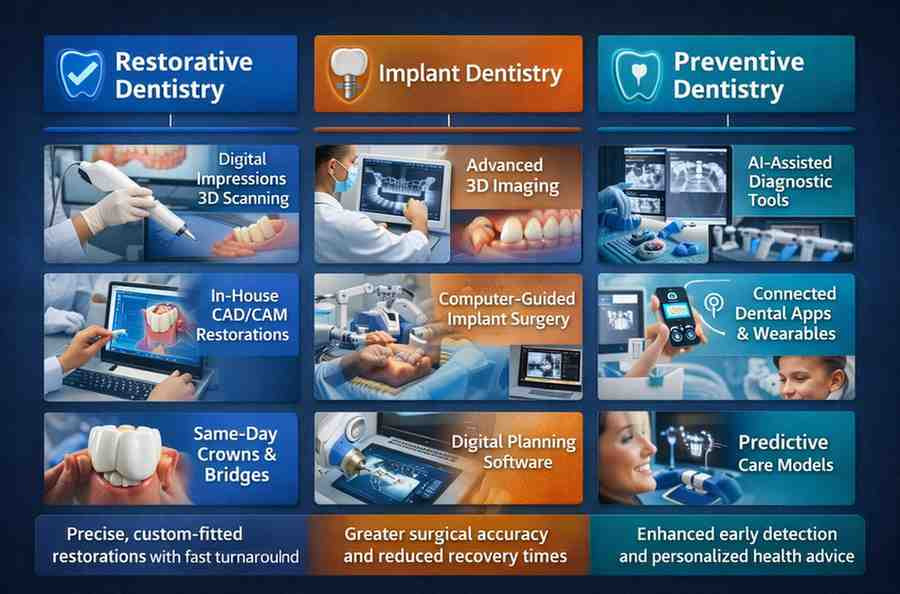
The field of restorative dentistry has arguably benefited the most from technological innovations. Digital smile design software enables dentists to model outcomes and allow patients to “preview” their new smile before treatment begins. When combined with precise scanning and milling technologies, this results in restorations that are not just functional but also highly aesthetic and tailored to an individual’s unique facial characteristics.
Looking ahead, implant dentistry and prosthetic replacements are entering an exciting phase. Guided implant surgery, powered by digital planning and 3D printing, enhances accuracy and reduces surgical time, benefiting both patient safety and recovery. Enhanced biomaterials are improving the durability and integration of implants, while digital dentures and hybrid prostheses are offering more predictable function and comfort for patients who have lost teeth. For individuals exploring options for replacing missing teeth, innovations such as a new era for replacing lost teeth underscore how modern techniques are reshaping expectations for comfort, aesthetics, and long-term stability.
Preventive care, too, has been elevated through digital risk assessments and monitoring tools. Salivary diagnostics, for example, can provide insight into bacterial profiles and disease risk, allowing clinicians to tailor home care regimens and professional interventions more precisely. Coupled with mobile health apps that remind patients about brushing technique, flossing routines, and appointment schedules, these technologies reinforce healthy habits outside the clinic.
Redefining the Future of Oral Care in Australia
In this dynamic landscape, Australian dental clinics are redefining oral care through a blend of innovation, compassion, and patient empowerment. By harnessing technological advancements to support personalized, data-informed care pathways, they are delivering clinical outcomes that are more predictable, efficient, and aligned with patient expectations. As these trends continue to evolve, the focus remains steadfast on enhancing the quality and experience of oral health care throughout the patient journey.

Similar Posts
OCR in Healthcare: Automating Patient Records, Medical Billing, and Compliance Workflows
Integrating ISO 9001 Requirements into Organisational DNA
Inside Noise-Cancelling Technology: What Makes Soundcore’s Earbuds and Headphones Stand Out?