
A Practical Guide to the Patent Application Process
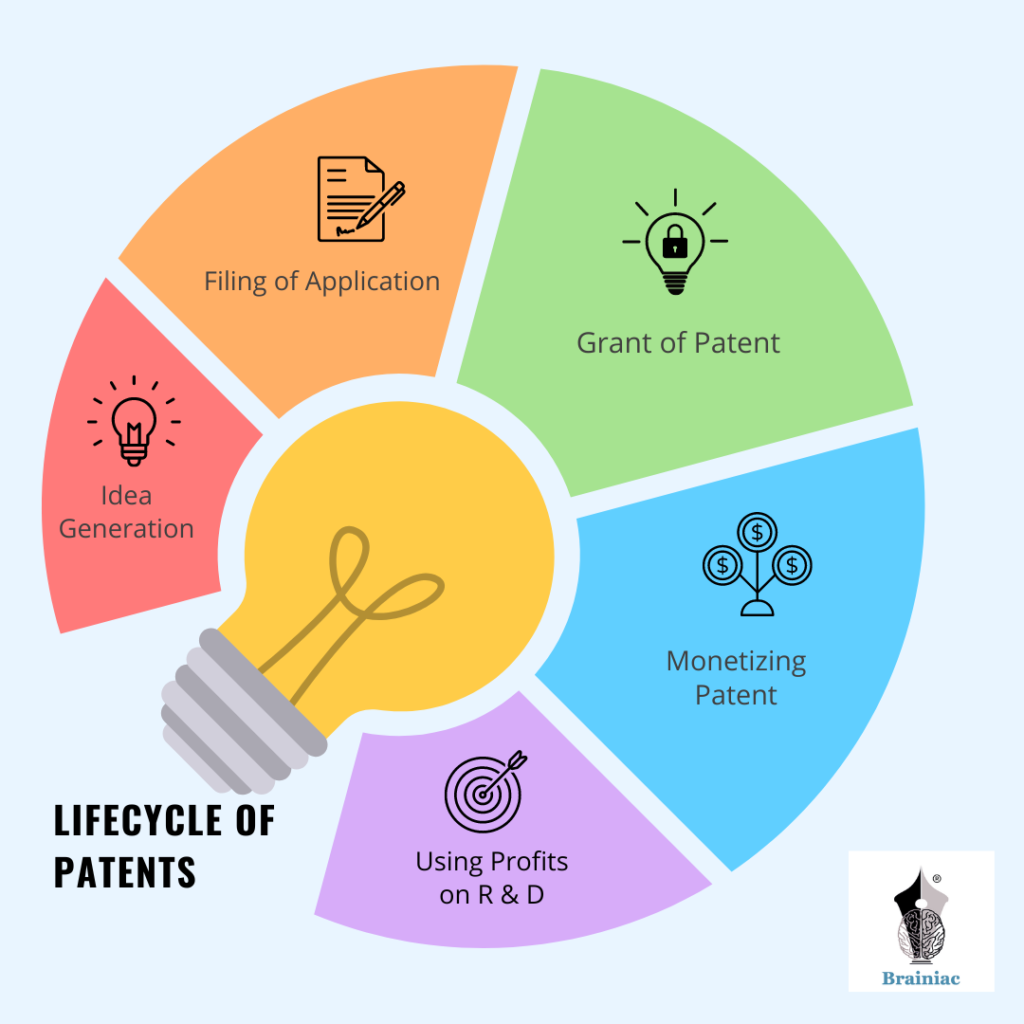
The patent application process is a structured legal pathway designed to protect new inventions and technical improvements. A granted patent gives inventors exclusive rights to make, use, and commercialize their invention for a limited period. Understanding how this process works is essential for innovators, startups, and established businesses that want to safeguard their ideas while maintaining a competitive advantage.
Although patent systems vary by country, the core principles remain consistent. Each step builds on the previous one, and mistakes early in the process can limit the scope or enforceability of the final patent. Careful planning and accurate documentation are critical from the very beginning.
Identifying Patentable Subject Matter
Before filing an application, it is important to determine whether an invention qualifies for patent protection. Generally, an invention must be novel, non-obvious, and useful. This means it must be new, must not be an obvious improvement over existing solutions, and must serve a practical purpose.
Patentable subject matter often includes machines, processes, compositions of matter, and certain types of software or biotechnology innovations. Abstract ideas, natural phenomena, and laws of nature are usually excluded. Reviewing eligibility requirements early helps inventors avoid investing time and resources into applications that are unlikely to succeed.
Conducting a Prior Art Search
A prior art search is performed to identify existing patents, publications, and products related to the invention. This step helps assess whether the idea is truly new and how it differs from what already exists. Prior art includes anything publicly available before the filing date of the application.
Conducting a thorough search can reduce the risk of rejection and help shape stronger patent claims. Many inventors work with a patent attorney during this stage to analyze search results and identify unique aspects of the invention that deserve protection.
Choosing the Right Type of Patent Application
There are different types of patent applications, and selecting the correct one depends on the invention and business goals. Common options include provisional and non-provisional applications.
A provisional application establishes an early filing date and allows the term “patent pending” to be used, but it does not get examined on its own. A non-provisional application is the formal request that begins the examination process. Some applicants use the provisional route to refine their invention or test market interest before committing to the full application.
Preparing the Patent Application Documents
Drafting a patent application requires precision and technical clarity. The application typically includes a detailed specification, drawings, and a set of claims. The specification explains how the invention works, while the claims define the legal boundaries of protection.
Strong claims are essential because they determine what is protected and what competitors may legally design around. Poorly written claims can weaken the patent, even if the invention itself is valuable. Professional guidance is strongly recommended. Patent attorneys train for years to learn how to prepare an effective patent application.
Filing and Formal Examination
Once the application is prepared, it is filed with the relevant patent office. After filing, the application enters a queue for examination. During this phase, a patent examiner reviews the submission to determine whether it meets all legal requirements.
The examiner may issue office actions that raise objections or rejections based on prior art or formal issues. Responding to these communications is a critical part of the process. Applicants must address concerns clearly and persuasively, often through amendments or written arguments.
Prosecution and Ongoing Communication
Patent prosecution refers to the back-and-forth communication between the applicant and the patent office. This stage can involve multiple rounds of responses and revisions. Each interaction aims to clarify the invention and distinguish it from existing technologies.
This phase can take months or even years, depending on complexity and workload at the patent office. Strategic decisions made during prosecution can significantly affect the final scope of protection, making careful management essential.
Approval, Grant, and Maintenance
If the examiner determines that the application meets all requirements, the patent is approved and granted. Once granted, the patent holder gains enforceable rights, allowing legal action against unauthorized use.
Most patents require maintenance or renewal fees to remain in force. Failure to pay these fees can result in the patent expiring early. Ongoing monitoring ensures that the patent remains active and continues to support business objectives.
Next Steps After Filing
Filing a patent application is not the end of the patent process. After submission, inventors should track deadlines, respond promptly to examiner communications, and align patent strategy with commercial goals. A well-managed patent can support licensing opportunities, attract investors, and strengthen market position over time. Understanding each stage of the patent application process allows inventors to make informed decisions and maximize the long-term value of their intellectual property.
Similar Posts
How Does Cash App Fee Calculator Enhance Financial Transparency?
How Does Asana Software Impact Project Management?
Exploring the Lap Day Calculator to Celebrate Bonds Between Dogs and Humans