
From Gameplay Data to Business Insights: What Online Games Teach Us About Digital Platforms

Online games today are no longer just entertainment products. They function as complex digital platforms that operate at scale, manage millions of users, and process massive volumes of real-time data. Behind every match, level, or interaction lies a sophisticated system that tracks behavior, adapts rules, and optimizes long-term engagement. This evolution is also reflected in the industry’s growing economic weight: video games accounted for just 6.1% of global entertainment and media spending in 2017, but that share is projected to rise to 10.9% by 2026 as gaming becomes increasingly mainstream, according to a PwC report. For business and technology leaders, these platforms offer valuable lessons that go far beyond gaming.
When you look closely, modern games resemble advanced tech products more than traditional software. They run continuous experiments, test user reactions in real time, and adjust systems based on real-world behavior rather than assumptions. This makes them powerful case studies for understanding how successful digital platforms are built, managed, and sustained over time.
How Online Games Function as Data-Driven Platforms
At their core, online games operate as live data engines. Every action taken by a player is recorded, measured, and evaluated. Unlike many business platforms that rely on surveys or delayed analytics, games receive immediate feedback through user behavior itself.
Each login, movement, interaction, and decision becomes a data point. These data streams enable developers to understand how systems perform in real-world conditions. Over time, patterns emerge that reveal what keeps users engaged and what disengages them.
This constant feedback loop enables games to evolve rapidly while maintaining stability. The same principle now applies to many digital platforms outside gaming, including social networks, SaaS products, and app ecosystems.
Types of Data Generated Inside Online Games
Before exploring how insights are derived, it helps to understand the variety of data generated by games. These data types form the foundation of platform intelligence.
- Player session duration and frequency
- Movement paths and interaction zones
- Resource usage and progression speed
- Social behavior and collaboration patterns
- Trading and exchange activity
- Response to system changes and updates
Each category reveals different aspects of user intent and engagement. When combined, they provide a holistic view of how users interact with the platform.
Gameplay Data as a Foundation for Platform Intelligence
Raw data alone has limited value. The real strength of online games lies in how this data is interpreted and applied. Gameplay data helps platforms refine systems, balance difficulty, and guide future development.
Rather than relying on static design decisions, games continuously adjust based on observed behavior. If players abandon a feature, data quickly highlights the issue. If engagement increases after a change, that signal reinforces the decision.
This approach mirrors modern product development practices in the broader tech industry. Platforms that learn directly from usage patterns tend to outperform those driven by assumptions or internal opinions.
How Data Shapes System Rules and Mechanics
Game rules are not fixed forever. They evolve based on how players interact with the system. Developers monitor where friction occurs and where engagement drops. Adjustments are then introduced gradually to maintain balance.
This dynamic rule-making process ensures that systems remain fair, functional, and appealing. The same approach benefits business platforms that depend on user interaction, such as marketplaces and collaborative tools.
Transparency and Information Access in Digital Systems
Transparency plays a critical role in user trust. When users understand how systems work, they are more likely to engage confidently. Online games demonstrate this principle clearly through visible mechanics, progression indicators, and accessible information.
Digital platforms that hide key information often create frustration. In contrast, platforms that communicate rules and values openly encourage strategic participation and long-term commitment.
In-Game Data Visibility and User Participation
Within gaming ecosystems, access to information significantly influences user behavior. When players can see how systems operate, they adjust strategies accordingly and remain more engaged.
Discussions around blox fruits codes and stocks provide a useful example of how data transparency affects participation. Players track availability, system updates, and internal structures to make informed decisions. This visibility creates a sense of control and predictability, which strengthens engagement and trust.
The lesson extends beyond gaming. Business platforms that make data accessible empower users to act with confidence, reducing uncertainty and friction.
Player Behavior as a Mirror of User Behavior on Tech Platforms
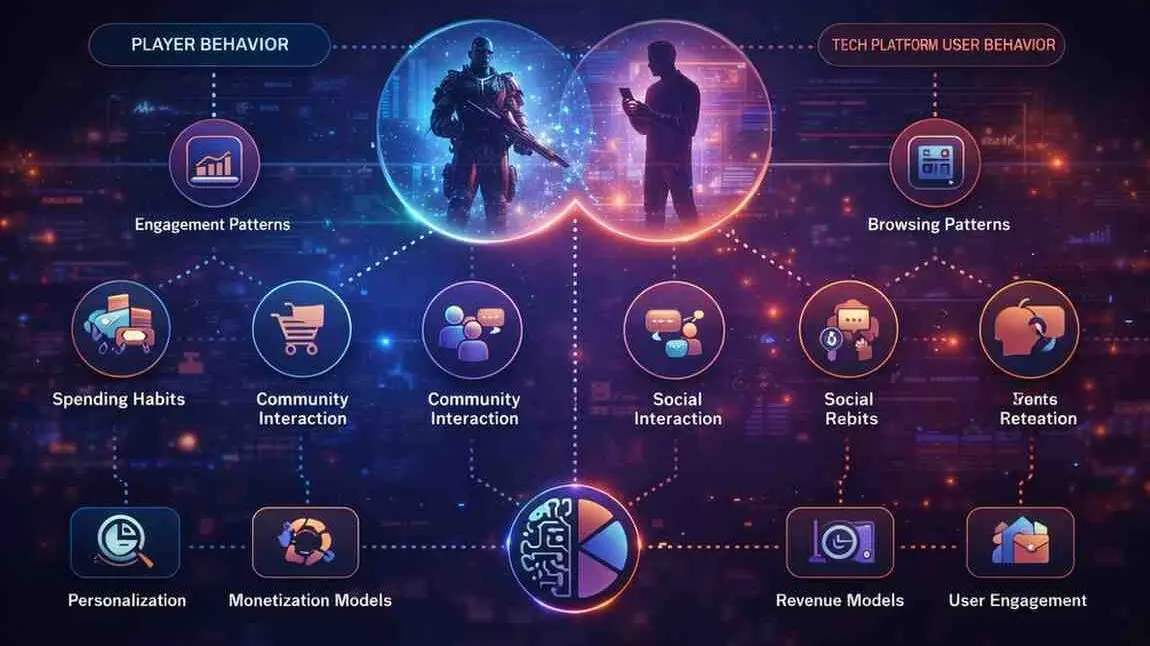
Player behavior in games closely mirrors user behavior across digital platforms. The motivations may differ, but decision-making patterns remain similar. Users respond to incentives, constraints, and feedback in predictable ways.
Games reveal how users explore systems, test limits, and adapt strategies. These behaviors offer insights into how people interact with apps, tools, and services in everyday contexts.
Decision-Making Under Constraints
Games often impose limits on resources, time, or access. Players must decide how to allocate effort efficiently. This mirrors real-world platform usage where users balance attention, cost, and value.
Understanding these decision processes helps businesses design systems that respect user constraints while encouraging meaningful engagement.
From Virtual Actions to Real Business Insights
The insights gained from gameplay data extend well beyond entertainment. Companies across industries study gaming behavior to improve onboarding flows, engagement loops, and retention strategies.
Games excel at guiding users through complex systems without extensive documentation. This approach inspires better UX design in productivity tools, educational games, and financial applications.
Retention Patterns and Engagement Loops
Retention is a critical metric for any digital platform. Games provide clear examples of how engagement loops sustain long-term usage. Players return because systems reward consistency, mastery, and progress.
These principles apply equally to non-gaming platforms. When users feel progress and clarity, they remain active. When systems feel opaque or stagnant, engagement declines.
Monetisation Models Inspired by Game Ecosystems
Games pioneered flexible digital monetisation long before mainstream apps adopted similar models. Rather than relying solely on upfront payments, they introduced layered value systems that align spending with engagement.
This approach influenced subscription services, freemium models, and digital marketplaces across industries.
Digital Assets and Cross-Platform Value
Digital platforms increasingly connect virtual activity with real-world consumption. App ecosystems demonstrate how digital value translates into usable assets. Amazon gift cards fit naturally into this discussion as a familiar example of digital value that bridges platforms, allowing users to convert online activity into broader ecosystem participation.
The key lesson is not the asset itself but the seamless integration of value across systems.
AI and Analytics in Interpreting Gameplay Data
Artificial intelligence is playing an increasingly important role in analyzing the massive datasets generated by games. AI systems detect patterns, forecast behavior, and identify potential issues before they escalate.
These tools enable proactive platform management rather than reactive fixes. Predictive analytics guide decisions on feature rollout, system tuning, and resource allocation.
Predictive Systems and Platform Stability
AI models can anticipate churn, overload, or imbalance by analyzing trends over time. This foresight allows platforms to intervene early, preserving stability and user trust.
Such predictive systems are now common in business platforms that manage large user bases, reinforcing the influence of gaming practices on broader tech development.
What Non-Gaming Platforms Can Learn From Games
Games offer valuable lessons for any digital platform aiming for sustainability. They demonstrate how data-driven design, transparency, and gradual adaptation lead to long-term success.
Key takeaways include:
- Designing systems around real behavior rather than assumptions
- Using data to guide incremental change
- Balancing innovation with stability
- Prioritising user trust and clarity
These principles apply across industries, from fintech to education to enterprise software.
Risks of Ignoring Data-Driven Signals

Platforms that ignore behavioral data risk losing relevance. Sudden changes without evidence often alienate users. Lack of transparency breeds mistrust, and rigid systems fail to adapt.
Games highlight these risks clearly. When balance is disrupted or information becomes unclear, engagement drops quickly. The same consequences apply to business platforms.
Listening to data does not mean blindly following every trend. It means respecting signals that reflect genuine user experience.
The Future of Data-Led Digital Platforms
As technology evolves, data-driven practices inspired by gaming will shape future platforms. AI tools will become more predictive, systems will become more adaptive, and user experiences will become more personalised.
Digital platforms will increasingly resemble living systems that evolve alongside their users. Those who master this balance will define the next generation of tech innovation.
Conclusion: Why Games Are the Blueprint for Modern Digital Platforms
Online games quietly became some of the most advanced digital platforms in existence. Through constant data collection, transparent systems, and adaptive design, they demonstrate how sustainable value can be built without physical products.
For business and technology leaders, gameplay data offers more than entertainment insights. It provides a blueprint for designing platforms that engage users, build trust, and thrive over time. As digital ecosystems continue to expand, the lessons learned from games will remain essential to understanding the future of platform-driven business.
Similar Posts
7 Pros and Cons of AI in the Workplace and Education
AI Breakthrough in Aging Reversal: OpenAI’s GPT-4b Micro Boosts Cellular Reprogramming 50-Fold
Agile Testing And DevOps Summit- Melbourne, Australia