

Cloud Automation via AI-Driven Orchestration: Boost Efficiency, Performance, and Security
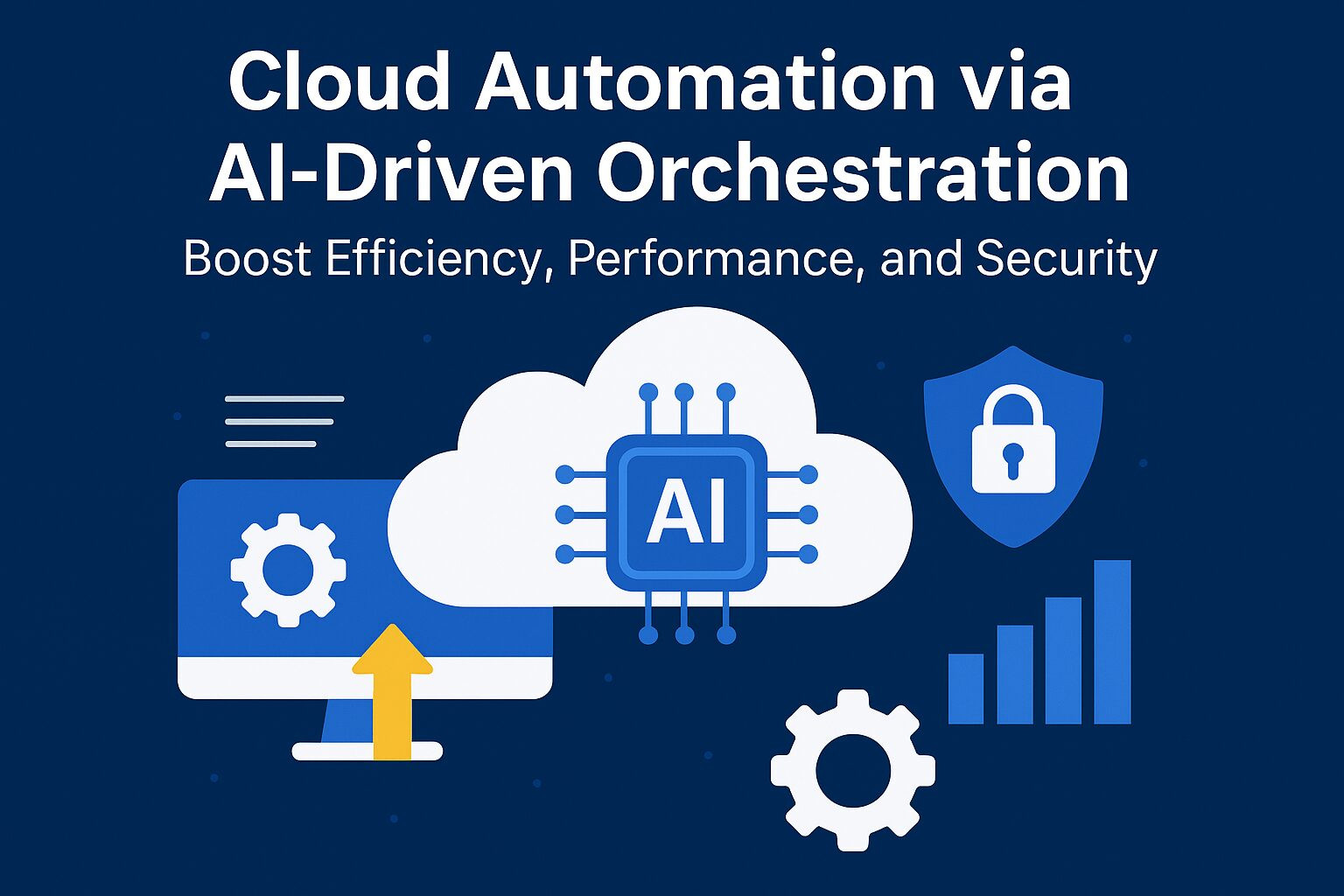
Businesses are increasingly moving their operations to the cloud. From startups to multinational corporations, cloud computing offers flexibility, scalability, and cost-efficiency that traditional IT infrastructure simply cannot match.
But as cloud environments grow more complex, managing them manually becomes a daunting task. This is where cloud automation via AI-driven orchestration comes into play.
In this article, we’ll explain this concept, explore its benefits, and explain why it’s becoming essential for businesses of all sizes.
What is Cloud Automation?
Think of cloud automation as putting your cloud systems on autopilot. Instead of a human constantly managing servers, storage, and databases, the system handles it all automatically.
For example, if your website suddenly gets a huge spike in visitors, cloud automation can instantly add more servers to keep everything running smoothly; no IT team scrambling required. It takes care of setting up resources (provisioning), making sure everything is configured correctly (configuration management), keeping an eye on performance and health (monitoring and maintenance), and adjusting resources up or down depending on demand (scaling).
What is AI-Driven Orchestration?
If cloud automation is like putting your systems on autopilot, then AI-driven orchestration is like giving that autopilot a brain. It doesn’t just follow preset rules; it learns from past patterns, predicts what will happen next, and makes smart decisions to keep everything running smoothly.
This means it can scale resources ahead of traffic spikes (predictive scaling), automatically fix problems before they affect users (self-healing systems), make sure your workloads are using just the right amount of resources (optimized resource allocation), and handle complex, multi-step tasks without anyone needing to intervene (intelligent workflows). Essentially, it coordinates all the automated tasks in your cloud and makes them work smarter, not just faster.
Why Businesses Need AI-Driven Cloud Automation
Today’s cloud environments are huge and complicated, and trying to manage them manually is not only slow but also risky. That’s why more and more businesses are turning to AI-driven cloud automation. It helps companies save money by automating routine tasks, which means you don’t need massive IT teams. Plus, AI makes sure resources like servers and storage are used efficiently, so you’re not paying for stuff you don’t need.
Another big advantage is performance. AI-driven orchestration can automatically adjust resources to keep everything running at its best. For instance, an e-commerce site can handle big traffic spikes during holidays without crashing. It also reduces human errors, manual setup can lead to mistakes that cause downtime or security gaps, but automation keeps everything consistent and reliable.
On top of that, AI helps businesses move faster and stay secure. Deploying new applications, updates, or services becomes quicker because AI coordinates the entire process. At the same time, AI monitors for unusual activity or potential threats, giving companies a proactive approach to security. In short, AI-driven cloud automation keeps operations smooth, safe, and efficient, making it a must-have for modern businesses.
Practical Examples of AI-Powered Cloud Automation

Here are some concrete examples of how AI-driven cloud automation is being applied today:
1. E-Commerce Platforms
For online retailers, traffic can spike unexpectedly during big events like Black Friday or holiday sales. AI-driven cloud automation helps these platforms handle the surge smoothly by automatically adding servers, balancing loads, and preventing downtime. This means customers enjoy a seamless shopping experience even during the busiest times, and businesses don’t lose revenue because of slow or crashed sites.
2. Healthcare
Hospitals and clinics deal with massive amounts of patient data every day, and keeping it secure and accessible is critical. AI automation helps by securely processing, storing, and backing up data in the cloud. It ensures that doctors and staff can access the information they need quickly, while reducing the risk of errors or data breaches.
3. Financial Services
Banks and financial institutions rely on real-time data to operate safely and efficiently. AI-driven orchestration monitors transactions, detects suspicious activity, and helps ensure compliance with regulations; all without constant manual oversight. This not only reduces the chance of fraud but also keeps operations running smoothly for customers.
4. SaaS Providers
Software-as-a-Service (SaaS) companies need to deliver consistent, reliable service to millions of users. AI cloud automation allows these companies to deploy updates seamlessly, monitor application performance, and resolve issues automatically. This keeps the software running efficiently and gives users a smooth, uninterrupted experience.
Popular Tools and Platforms
AWS AI Services
Amazon Web Services (AWS) offers a range of AI tools that help automate cloud operations. From machine learning models to intelligent resource management, AWS makes it easier for businesses to let AI handle routine tasks, optimize workloads, and improve overall efficiency without heavy manual intervention.
Microsoft Azure Automation
Microsoft Azure provides automation features with AI-driven runbooks and orchestration capabilities. This means companies can streamline complex workflows, deploy updates, and manage resources intelligently, all while reducing human effort and minimizing the risk of errors.
Red Hat Ansible Automation Platform
Red Hat’s Ansible platform is designed to simplify automation across both cloud and on-premises environments. With AI integrations, it helps businesses coordinate tasks, ensure consistent configurations, and make resource allocation smarter, saving time and reducing mistakes.
VMware vRealize Automation
VMware vRealize Automation focuses on intelligent workload management and self-healing capabilities. It can automatically adjust resources, fix issues before they impact users, and ensure that applications run smoothly, letting businesses rely on the cloud without constant hands-on management.
Challenges and Considerations
While AI-driven cloud automation offers numerous benefits, there are some challenges to keep in mind:
- Complexity: Setting up AI-driven cloud automation isn’t always simple. It can be technically challenging, and businesses usually need skilled teams to implement, monitor, and maintain these systems, especially during the initial stages.
- Data Privacy: AI systems rely heavily on data to make smart decisions. This means companies must be careful to follow privacy regulations like GDPR or HIPAA, ensuring that sensitive information is handled securely and responsibly.
- Cost of Implementation: While AI automation can save money in the long run, getting it up and running can be expensive. Initial setup, integration, and training require investment, which businesses need to plan for before diving in.
- Over-Reliance on AI: Even though AI is powerful, it’s not perfect. Human oversight is still crucial to handle unexpected situations, make ethical decisions, and ensure that the system is working as intended without causing problems.
Future of AI-Driven Cloud Automation
The future of cloud automation is all about smarter, more autonomous systems powered by AI. We can expect fully self-managing clouds that handle routine tasks with minimal human intervention, making operations smoother and faster. AI will also take security to the next level by not just spotting threats, but predicting and preventing them before they even happen.
In addition, workload management will become more intelligent, with AI optimizing performance and costs in real-time across hybrid and multi-cloud setups. We’ll also see AI-driven orchestration extending beyond the cloud to manage resources at the network edge and in IoT devices, creating a seamless, efficient, and proactive technology ecosystem for businesses of all sizes.

Similar Posts
Meta AI Tested: Its Necessity May Be Questionable, But It’s Free
Building a Scalable Tech Stack for Growing Startups
StoriesIG Anonymous Instagram Story Viewer Review (2026): My Honest Experience After Testing It