
Measuring What Matters: Brand Sentiment Analysis Powered by Next-Generation Media Monitoring

With perception, attention, and trust as key factors in an economy, it has become a strategic necessity to understand how a brand is perceived. Sentiment analysis plays a critical role in crisis detection and brand reputation management. Research shows that social media sentiment analysis enables brands to identify emerging issues early, often before they escalate into full-blown PR crises. By tracking sudden shifts in public tone across news and social platforms, organizations can respond proactively, limit reputational damage, and maintain long-term brand trust.
Next-generation media monitoring with brand sentiment analysis can help organizations consider more than mere surface metrics and uncover the audience’s actual feelings. Contrary to conventional measurement methods focused on reach or volume, sentiment-based insights reveal emotional context, opinion change, and risk discovery. With the speed of information flow and the increasing number of channels, real-time, adaptable, and highly analytical intelligence is needed to quantify what is genuinely significant.
Strategic Significance of Brand Sentiment.
Brand sentiment refers to the general attitudes, emotions, and opinions audiences hold toward an organization. The news reporting, social discourse, customer experience, leadership communication, and other cultural forces influence it. Positive sentiment may build loyalty and market confidence, whereas negative sentiment may undermine trust and affect purchasing or investment behavior.
Sentiment in contemporary markets usually precedes behavior. Perceptual changes may indicate an impending shift in demand, image, or position. Companies that take the initiative to gauge the brand’s sentiment gain foresight into these changes and can respond proactively rather than reactively. This renders sentiment analysis a prospective pointer rather than a backward-looking one.
The meaning of Media Volume to Meaningful Insight.
Over the years, media measurement has been very quantity-oriented. The number of mentions, impressions, or articles provided an impression of being seen but not heard. An extensive amount of coverage does not always represent a good influence. The solution to this shortcoming is provided by next-generation media monitoring, which puts quality, context, and tone first.
More sophisticated sentiment analysis examines patterns of language, signs of emotion, and allusions to narrative. It differentiates supportive, neutral, and critical commentary, as well as intensity and influence. This shift from volume to value allows organizations not only to know how much they are discussed, but also to understand how they are viewed and why.
The History of Media Monitoring Capabilities.
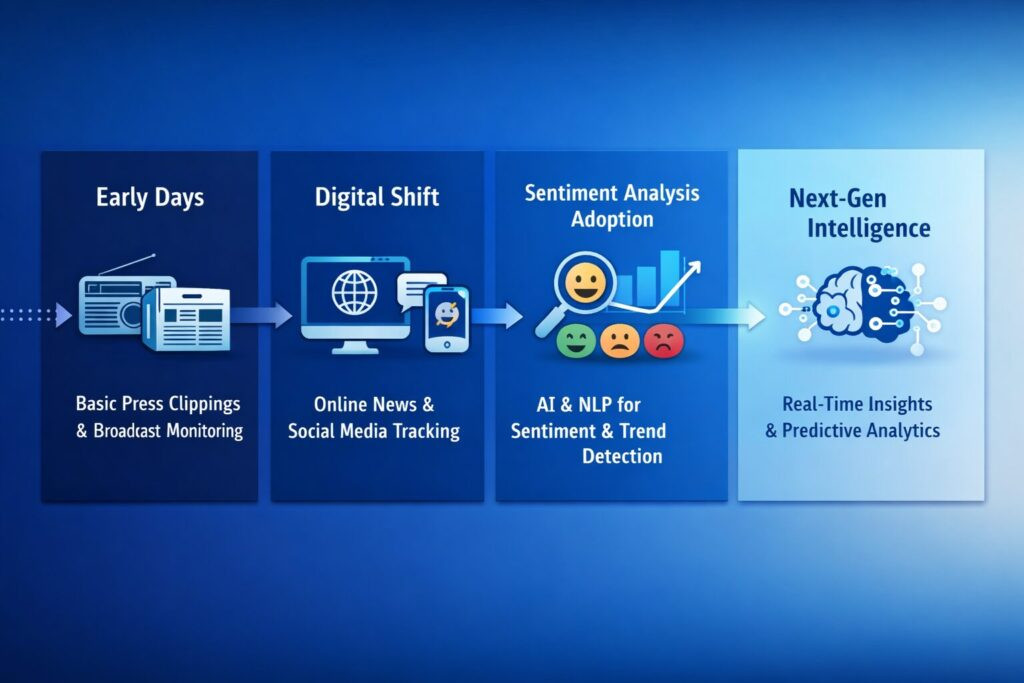
With the growth of digital ecosystems, media monitoring has developed a new outlook. The present networks are built on the ability to handle large volumes of data across news, online publications, social media, and broadcast channels in real-time. The difference between next-generation systems is the depth of their analysis.
Adoption of sentiment analysis has increased as media monitoring tools have matured. In 2020, 54% of brands reported using consumer sentiment analysis tools for social media and review tracking, reflecting a broader shift toward data-driven reputation and perception management. This adoption rate continues to rise as organizations recognize sentiment intelligence as a core strategic capability rather than a supplementary metric.
Tools can make sense of nuance, sarcasm, and contextual meaning using artificial intelligence and natural language processing. Machine learning models are more precise because they are trained on industry-specific language and dynamic, popular speech. This development is transforming media monitoring into a dynamic intelligence operation that facilitates strategic decision-making rather than straightforward reporting.
Sentiment in Real-Time as an Advantage in Decision Making.
One characteristic of the present-day information environment is speed. The stories can appear and spread within a few minutes, influencing opinion before the organizations can react. Real-time media monitoring allows leaders to respond as the mood changes, offering immediate visibility and enabling action while the context is still being established.
This ability is beneficial during periods of heightened focus, such as the launch of a product, a leadership shift, a regulatory action, or a media scandal. The ability to track sentiment during events will help organizations adjust messaging, clarify, or address concerns before they become critical. Live understanding converts consciousness into responsiveness.
The Sentiment Analysis Incorporation in Business Strategy.
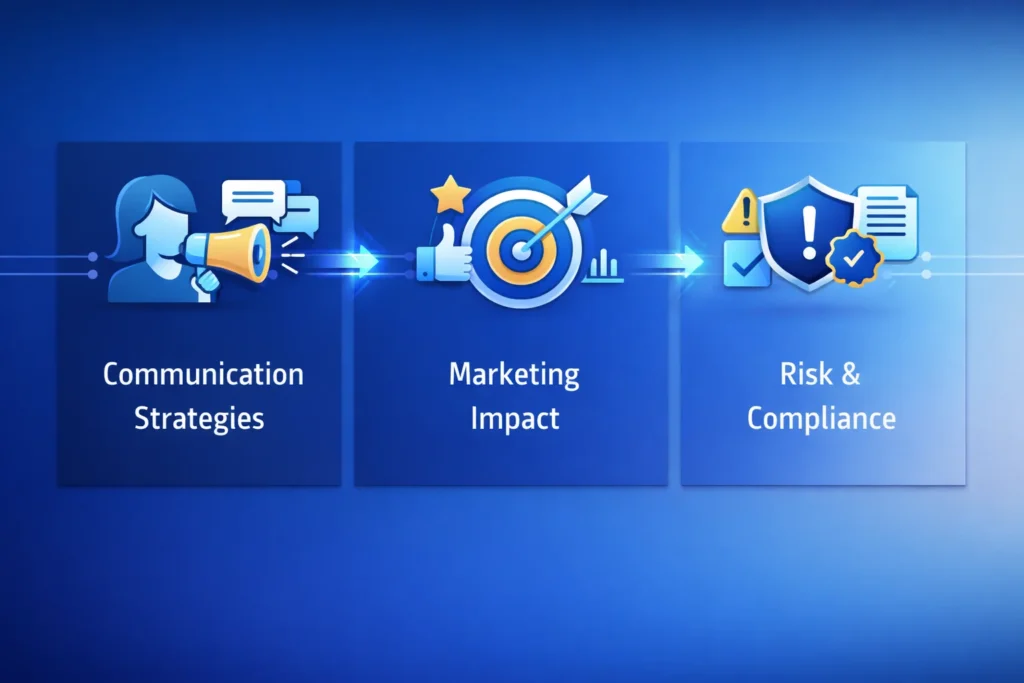
Sentiment analysis is most effective when integrated into broader strategic processes. Communications departments use sentiment insights to refine messaging and test narrative alignment. It is the role of marketing leaders to determine the impact of campaigns on the perceptions of various audiences. The risk and compliance teams look out for the early signals of reputational exposure.
Sentiment trends can also be applied in strategy formulation and performance appraisal at the corporate level. Media intelligence provides a more comprehensive view of organizations’ health when coupled with financial, operational, and market data. This unified perspective views perception as a measurable, controllable asset.
Getting to Know Context Cross-Channel.
There is no place for modern brand conversations. Emotions vary across platforms, geographic locations, and customer groups. Next-generation media monitoring acknowledges such complexity by examining context at multiple levels. What sounds positive in one channel may be critical in another, and these differences are essential to understand to engage effectively.
Contextual analysis also shows who is driving the sentiment. Recognizing powerful voices, themes, and the origins of narratives will help organizations address root causes rather than symptoms. Such an in-depth insight allows more specific and valid answers.
Critical Responsibility and Ethical Use.
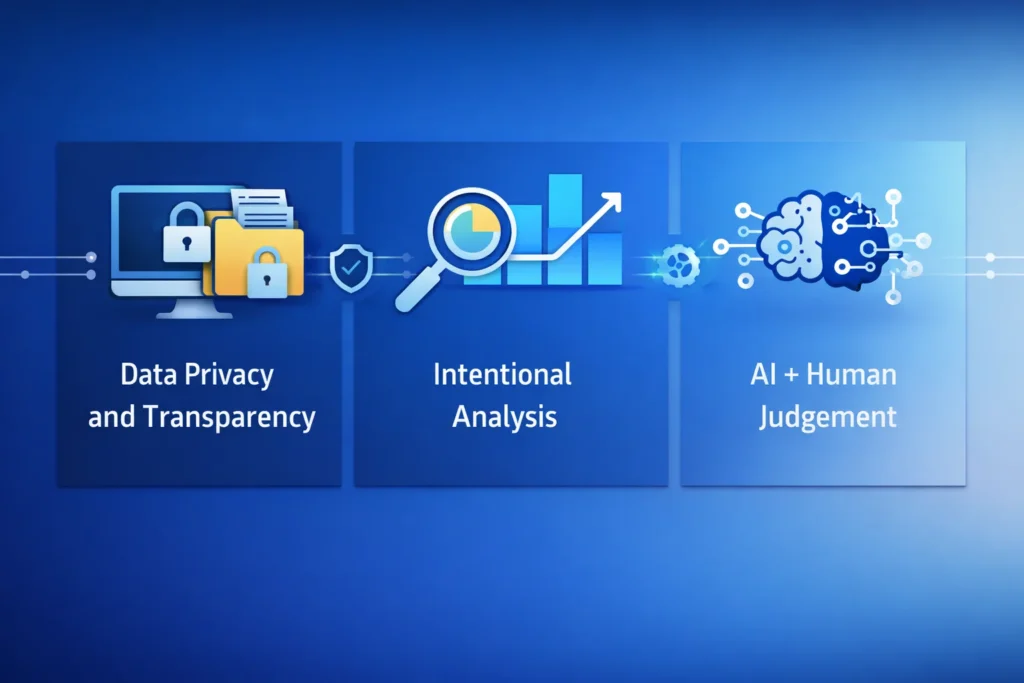
With the advanced sentiment analysis, the responsible use becomes most significant. Media monitoring is ethical and does not engage in intrusive data collection procedures. Methodological and interpretative transparency would ensure that the insights are applied prudently rather than manipulatively.
Analytical responsibility entails recognizing limitations. Sentiment analysis is an effective instrument, and it is most efficient when combined with human opinion and domain knowledge. Organizations that combine technology and critical thinking can achieve more reliable, accurate results.
The Future of Measuring What Matters.
Next-generation media monitoring for brand sentiment analysis is a shift in the definition of success set by organizations. Rather than focusing solely on exposure or engagement, leaders are emphasizing perception, trust, and influence. These factors are not as easily quantifiable, yet are much more productive in the long run.
Real-time sentiment analytics will become a fundamental capability as information ecosystems continue to transform. Companies that embrace better media intelligence will be better positioned to manage uncertainty, build credibility, and make decisions based on informed opinion rather than assumptions. The quantification of what is essential is no longer a choice; it is the key to success in the contemporary information economy.
Conclusion
The visibility alone can no longer serve as a definition of success in an ever-complicated, rapidly changing information environment. The next-generation media monitoring and brand sentiment analysis helps organizations understand the perception they actually have, building trust, influence, and credibility, not just attention. With the real-time sentiment interpretation emerging as a strategic imperative, organizations with a strong emphasis on higher levels of media intelligence will have the upper hand. When leaders quantify what is actually essential, they can leave assumptions behind, act coherently, and create sustainable value in the current information economy.
Similar Posts
AI in Australian FinTech, Banking & Payments in 2025 | Details
Lumen5 Text to Video Generator: How to Use It Free in 2026 (Expert Review + Step-by-Step Guide)
Are Unblocked Boxing Games Worth the Hype? Let’s Find Out!