
Top 17 Australian Tech Leaders Driving AI Innovation in 2026
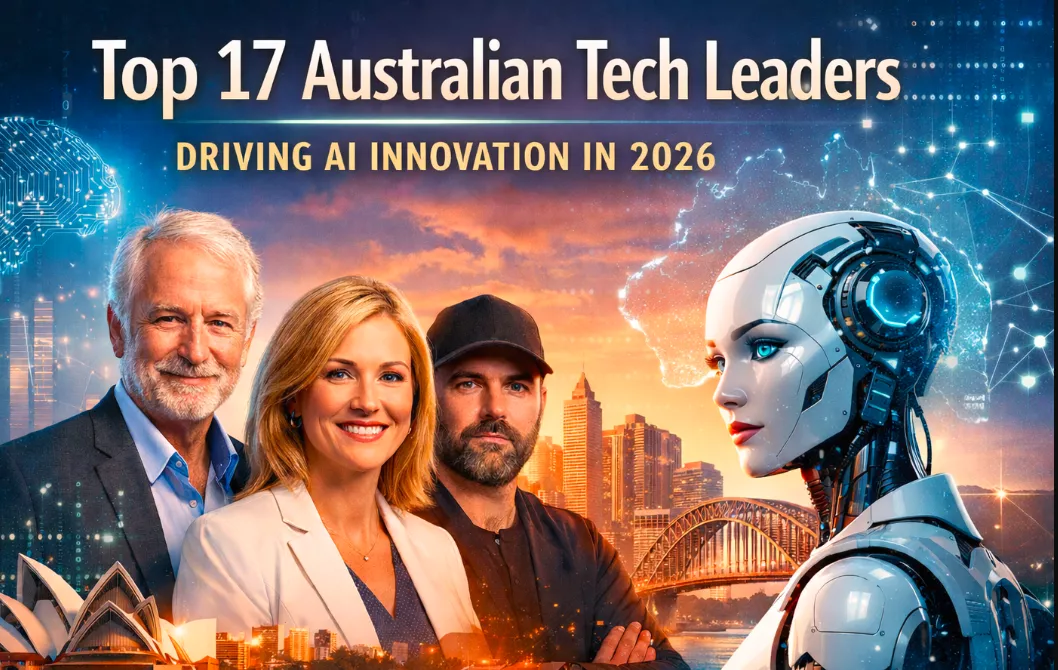
Australia’s AI ecosystem entering 2026 is defined by applied research, enterprise adoption, public policy, and responsible governance. The leaders shaping this ecosystem are not selected for visibility alone, but for their documented influence across globally recognised institutions, national advisory bodies, and large-scale AI deployments.
This article highlights 17 Australian tech leaders whose work is consistently referenced by universities, government agencies, industry councils, and enterprise platforms, making their impact verifiable and ongoing.
How this list was curated (authority-first)
Each leader meets at least two of the following criteria:
- Senior role at a globally ranked university or national research institute
- Leadership in national AI, robotics, or technology councils
- Executive influence over enterprise-scale AI platforms
- Recognised contribution to AI governance, ethics, or policy
- Proven translation of AI research into real-world deployment
Top 17 Australian Tech Leaders in Artificial Intelligence
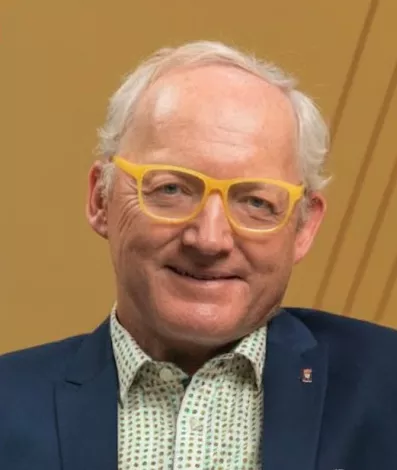
1. Toby Walsh
Why he stands out:
Toby Walsh is Chief Scientist at UNSW.AI, one of Australia’s most influential AI research centres. He is internationally cited for work on AI safety, ethics, and governance, and has advised governments and global institutions on long-term AI risk. His authority comes from both technical research and policy influence.
2. Mary-Anne Williams

Why she stands out:
As founder of the UNSW Business AI Lab, Mary-Anne Williams leads applied AI research focused on executive decision-making and enterprise transformation. Her work is referenced across business schools and corporate AI adoption programs.
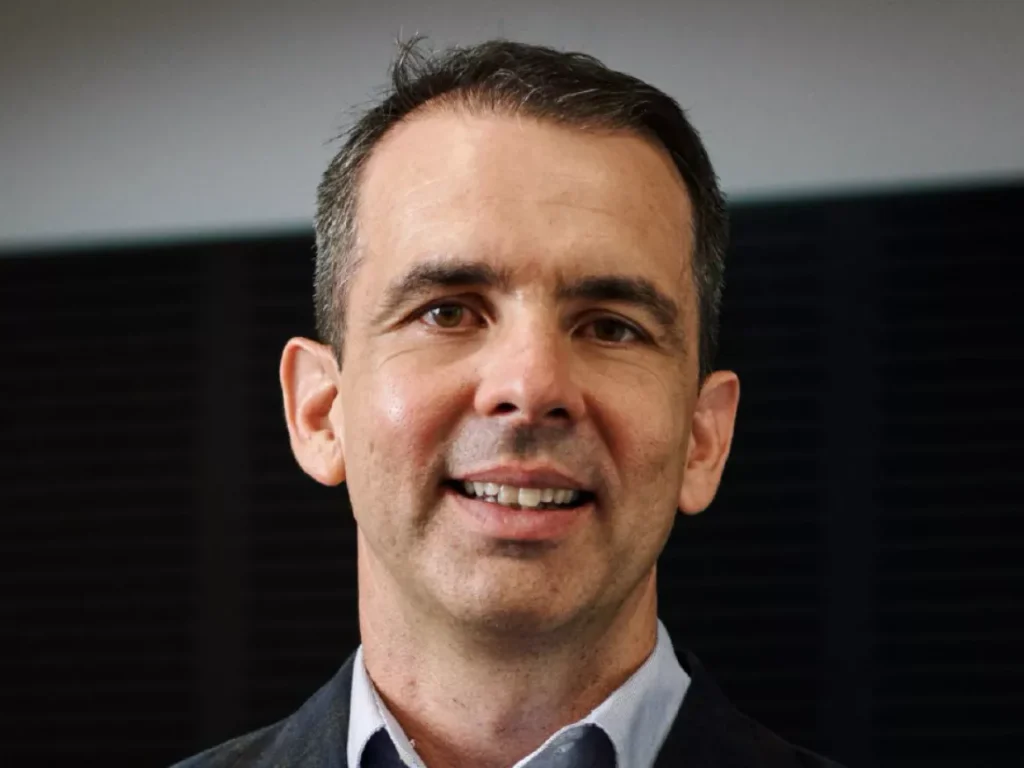
3. Simon Lucey
Why he stands out:
Simon Lucey is Director of the Australian Institute for Machine Learning (AIML), Australia’s largest machine-learning research institute. AIML collaborates with global industry partners, making leadership central to Australia’s international AI research standing.
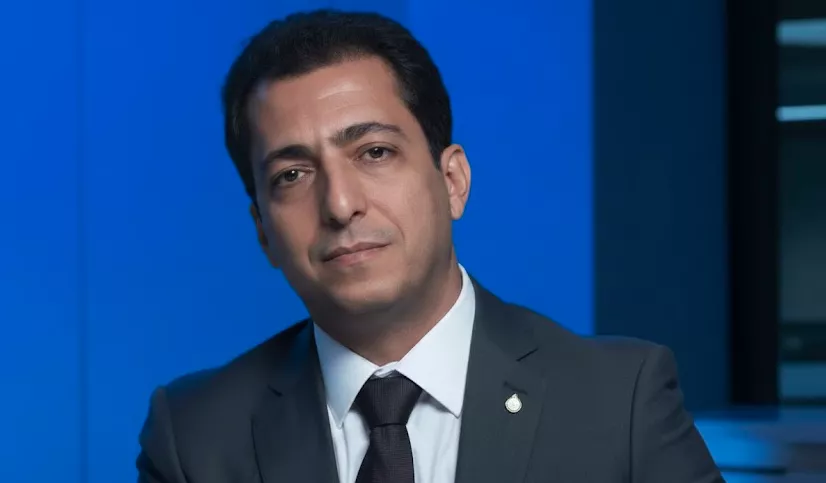
4. Amin Beheshti
Why he stands out:
Director of the Centre for Applied Artificial Intelligence at Macquarie University, Amin Beheshti, specialises in operationalising AI for government, health, and enterprise systems, a key gap between theory and deployment.
5. Sue Keay
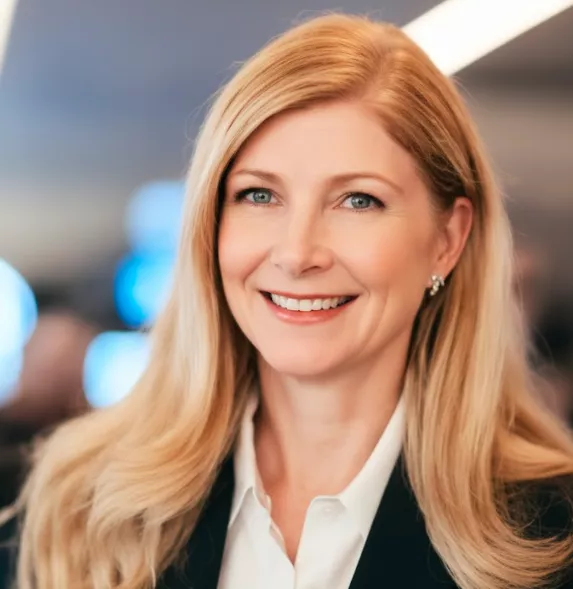
Why she stands out:
Sue Keay is Chair of Robotics Australia Group, a national body aligned with government and industry. Her work influences how AI-driven robotics and automation are integrated into manufacturing and infrastructure.
6. Catriona Wallace

Why she stands out:
Founder of Flamingo AI, Catriona Wallace, is widely referenced for her work on responsible AI frameworks, bias mitigation, and governance models used in corporate and policy discussions.
7. Camille Goldstone-Henry

Why she stands out:
As CEO of Xylo Systems, she applies AI to environmental intelligence and biodiversity monitoring, an area increasingly referenced by sustainability and climate policy groups.
8. Cori Stewart

Why she stands out:
CEO of ARM Hub, Cori Stewart, leads national initiatives connecting AI research, robotics, and advanced manufacturing, supported by universities and industry partnerships.
9. Kate Pounder
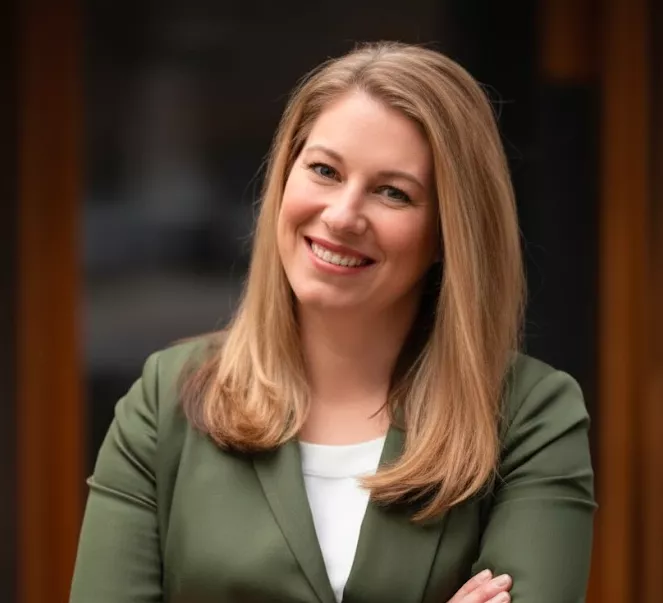
Why she stands out:
As CEO of the Tech Council of Australia, Kate Pounder influences AI policy, digital skills development, and national innovation priorities at the government-industry level.
10. Alan Finkel
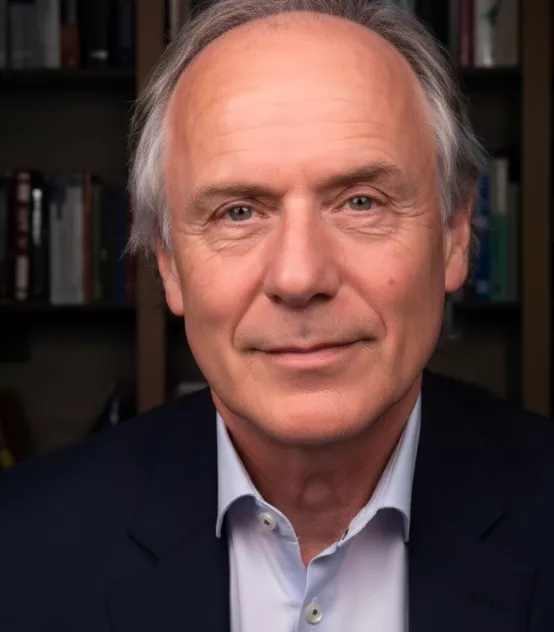
Why he stands out:
Former Chief Scientist of Australia, Alan Finkel, has shaped long-term national frameworks for technology and innovation, including AI governance and energy-tech integration.
11. Gavan McCarthy

Why he stands out:
A leader in data stewardship and digital preservation, his work underpins trustworthy AI systems where long-term data integrity is critical.
12. Mike Cannon-Brookes

Why he stands out:
Co-founder of Atlassian, whose AI-enhanced productivity platforms serve millions globally. His investment influence shapes the direction of Australian AI startups and SaaS ecosystems.
13. Scott Farquhar

Why he stands out:
Scott Farquhar, Atlassian co-founder, is overseeing AI integration into collaboration software used by enterprises worldwide, influencing everyday AI adoption at scale.
14. Kylie Walker

Why she stands out:
CEO of the Australian Academy of Technological Sciences and Engineering (ATSE), a body that advises government on emerging technologies, including AI capability and workforce development.
15. Frederic Maire
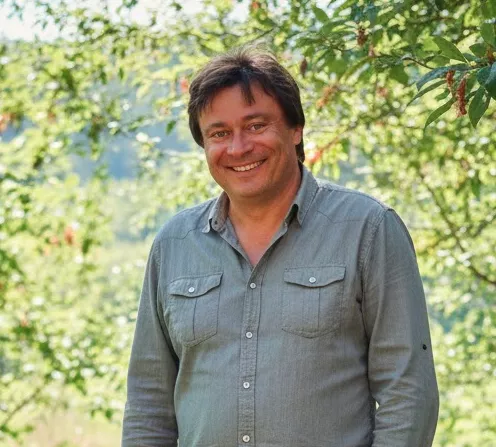
Why he stands out:
Professor at QUT, specialising in robotics and autonomous systems, contributing to applied AI used in industry and service robotics.
16. Ros Harvey
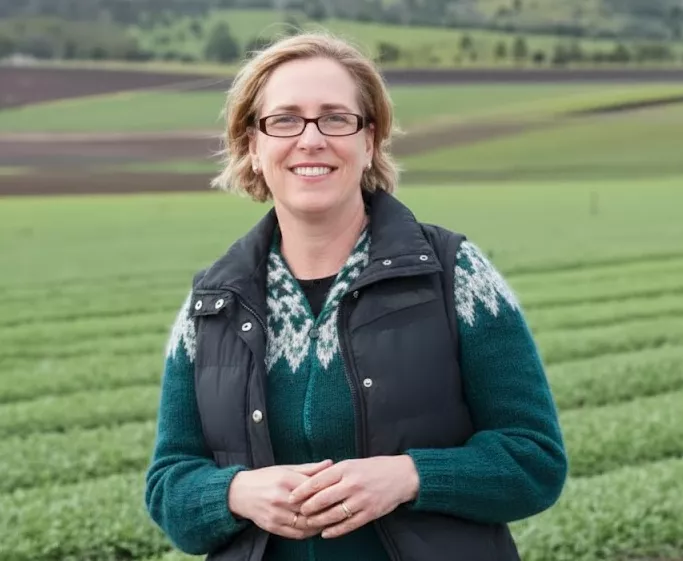
Why she stands out:
Co-founder of AI-driven sustainability ventures applying data science to food systems and environmental resilience, areas increasingly prioritised by global policy bodies.
17. Darren Fisher

Why he stands out:
Former Google Cloud ANZ leader, instrumental in enterprise-level AI and cloud adoption across Australian organisations.
FAQs
How is Australia contributing to AI innovation?
Australia contributes through world-class AI research institutes, applied machine-learning programs, enterprise AI adoption, and national AI policy frameworks.
Why are AI leaders important for Australia’s tech future?
AI leaders shape research priorities, business adoption, ethical standards, and workforce readiness, which directly impact Australia’s global competitiveness.
Is Australia competitive in artificial intelligence globally?
Australia remains competitive through strong research institutions and applied AI programs, though continued investment and skills development are critical for long-term leadership.
How are Australian businesses using AI today?
Australian businesses use AI for automation, data analysis, customer experience, cybersecurity, logistics, and decision-support systems across multiple industries.
Similar Posts
Smart Square Wellstar Review – A Healthcare Solution
Unbiased Review of TimeTap Online Scheduling Software
Inside Modern Power Banks: Comparing Anker’s Battery Technology to Industry Standards