
AI-Powered Satellites and Smart Networks: The Future of Global Connectivity
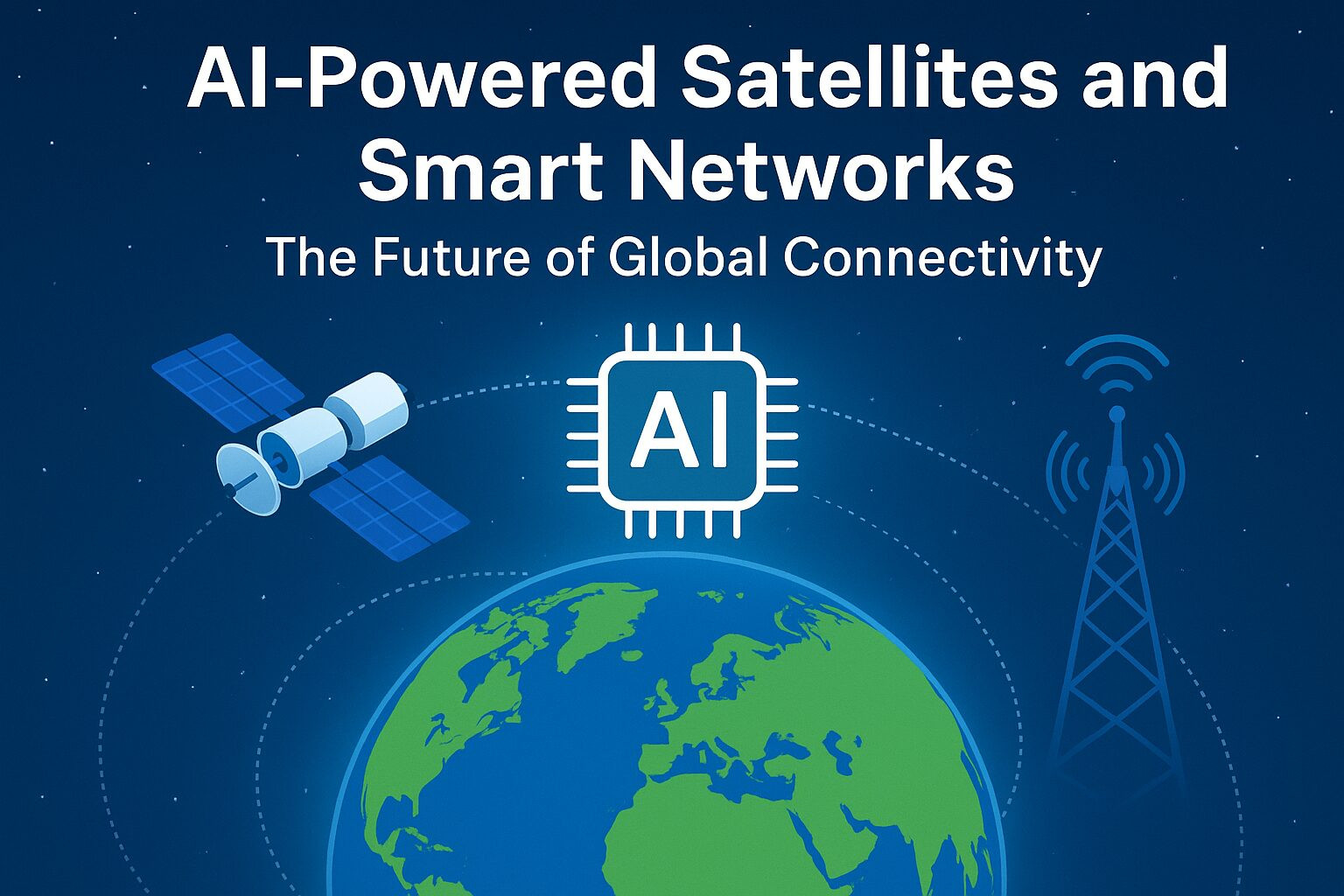
We rely on seamless connectivity for everything from making video calls to powering smart cities. But have you ever wondered how this connectivity reaches even the most remote parts of the planet?
Enter AI-powered satellites and smart networks, the cutting-edge technologies transforming the way we communicate, gather data, and connect globally.
In this article, we’ll explain these technologies, explore how they work, applications, and why they are essential for the future of our digital society.
What Are AI-Powered Satellites?
You know how satellites have been circling the Earth for decades, helping us with things like TV, weather forecasts, and GPS? Well, traditional satellites mostly just follow preset paths and routines.
AI-powered satellites are a whole different ballgame, they can think and make decisions on their own in real-time. That means they can adjust their positions for better coverage, spot and respond to changes in the environment, analyze data right in space instead of waiting to send it down to Earth, and figure out the fastest ways to transmit information.
It’s a bit like taking a regular car and turning it into a self-driving one: same vehicle, but now it’s smart enough to make its own decisions.
What Are Smart Networks?
While AI-powered satellites take care of connectivity from space, smart networks make sure all that data gets to us efficiently here on the ground. These networks use AI to manage traffic, optimize bandwidth, and reduce delays, which is super important as the number of connected devices like smartphones, laptops, smart thermostats, security cameras, and wearables; keeps growing.
Smart networks can automatically find the fastest route for data, detect problems and reroute traffic when something goes wrong, predict issues before they cause downtime, and even spot potential cyber threats. Together with AI satellites, they create a smart, reliable system that keeps the world connected quickly and efficiently.
How AI and Satellites Work Together
When AI-powered satellites and smart networks team up, the results are pretty amazing. For starters, satellites can process raw data in space and only send the important stuff down to the networks, which means faster response times and less data overload.
They can also adjust their orbits to focus on areas where demand is high, while smart networks make sure that information gets to users efficiently. In emergencies like natural disasters, AI can prioritize communication channels so rescue teams get the info they need right away.
And for remote places think mountains, islands, or rural areas, this combo ensures people can still stay connected, even where traditional internet infrastructure is limited.
Applications of AI-powered satellites and Smart Networks

The potential applications of AI-powered satellites and smart networks are enormous. Here are some practical examples:
1. Disaster Management and Rescue Operations
When disasters like hurricanes or earthquakes strike, traditional communication lines often go down, leaving people cut off. AI-powered satellites can quickly spot affected areas and monitor what’s happening, while smart networks make sure emergency communications get through. This helps rescue teams coordinate faster and save lives when every second counts.
2. Agriculture
Farmers can now get a bird’s-eye view of their crops thanks to AI satellites. These satellites can detect problems like water stress, pest infestations, or nutrient shortages in real-time. Smart networks then relay actionable insights to farmers, helping them take quick action to protect their harvests and improve yields.
3. Environmental Monitoring
AI satellites can keep an eye on our planet, tracking things like deforestation, melting glaciers, and ocean pollution. The smart networks make sure this critical data reaches researchers and governments quickly, helping them make informed decisions to protect the environment and fight climate change.
4. Telecommunications and Internet Connectivity
Companies like SpaceX with Starlink or Amazon with Project Kuiper are launching satellite networks that use AI to manage connections efficiently. This means people in remote areas, far from traditional internet lines, can still get reliable, fast internet. It’s like bringing the digital world to places that were previously off the grid.
5. Defense and Security
Military and defense organizations also benefit from AI satellites and smart networks. Satellites can monitor large areas and detect threats, while smart networks ensure that critical information is transmitted quickly and securely. This helps decision-makers respond faster and keeps sensitive data protected.
Benefits of AI-Powered Satellites and Smart Networks
AI-powered satellites and smart networks bring a ton of advantages that make our digital lives smoother and more reliable.
First, they boost efficiency, data gets processed faster, bandwidth is used more effectively, and many tasks that used to need human control can now happen automatically. They’re also cost-effective because processing data in space and optimizing networks reduces operational expenses.
Another big plus is scalability. As more and more devices; smartphones, tablets, IoT gadgets come online, these systems can adapt dynamically to handle the extra load without slowing down.
They’re resilient, too: if something fails, the network can self-heal and make sure critical communications keep flowing. And finally, they’re more sustainable because satellites and networks that optimize their operations use less energy and reduce their environmental impact.
In short, these technologies aren’t just smart; they make the entire communication ecosystem faster, stronger, and more reliable for everyone.
Challenges and Considerations
While the technology is promising, there are challenges to consider:
1. High Initial Costs: Building AI-powered satellites and smart networks isn’t cheap. The technology, research, and infrastructure require a big upfront investment. It’s like buying a high-end car versus a regular one; the benefits are huge, but the price tag is higher.
2. Cybersecurity Risks: Because these systems rely heavily on AI, they can be vulnerable to hacking if not properly secured. Protecting sensitive data and communications is crucial, or else bad actors could disrupt critical networks.
3. Regulatory Hurdles: Operating satellites isn’t as simple as launching them into space. Companies must follow strict national and international regulations to avoid conflicts and ensure safe, legal operations. This can slow down deployment and requires careful planning.
4. Ethical Considerations: AI makes decisions automatically, which raises questions about transparency and privacy. It’s important that data is handled responsibly and that AI actions are understandable, so people can trust the system.
The Future of AI-Powered Satellites and Smart Networks
Experts believe that AI-powered satellites and smart networks will be the backbone of the next generation of global connectivity. They’ll support things like autonomous vehicles and drones with real-time navigation data, power smart cities full of interconnected IoT devices, and make telemedicine more accessible in remote areas by providing fast, reliable communication.
They’ll also improve Earth observation, helping us monitor climate change and predict natural disasters more accurately. As AI keeps evolving, these satellites and networks will get even smarter, faster, and more adaptable, transforming the way we connect, communicate, and interact with the world around us.
Similar Posts
6 Green Computing Examples: Revolutionizing Technology with Sustainable Systems
ZarMoney Review and Features
Speed Test TPG: Check Your Internet Speed and Understand the Results