

AI in Aged Care: Safety, Benefits, How It Works, and Why It Matters
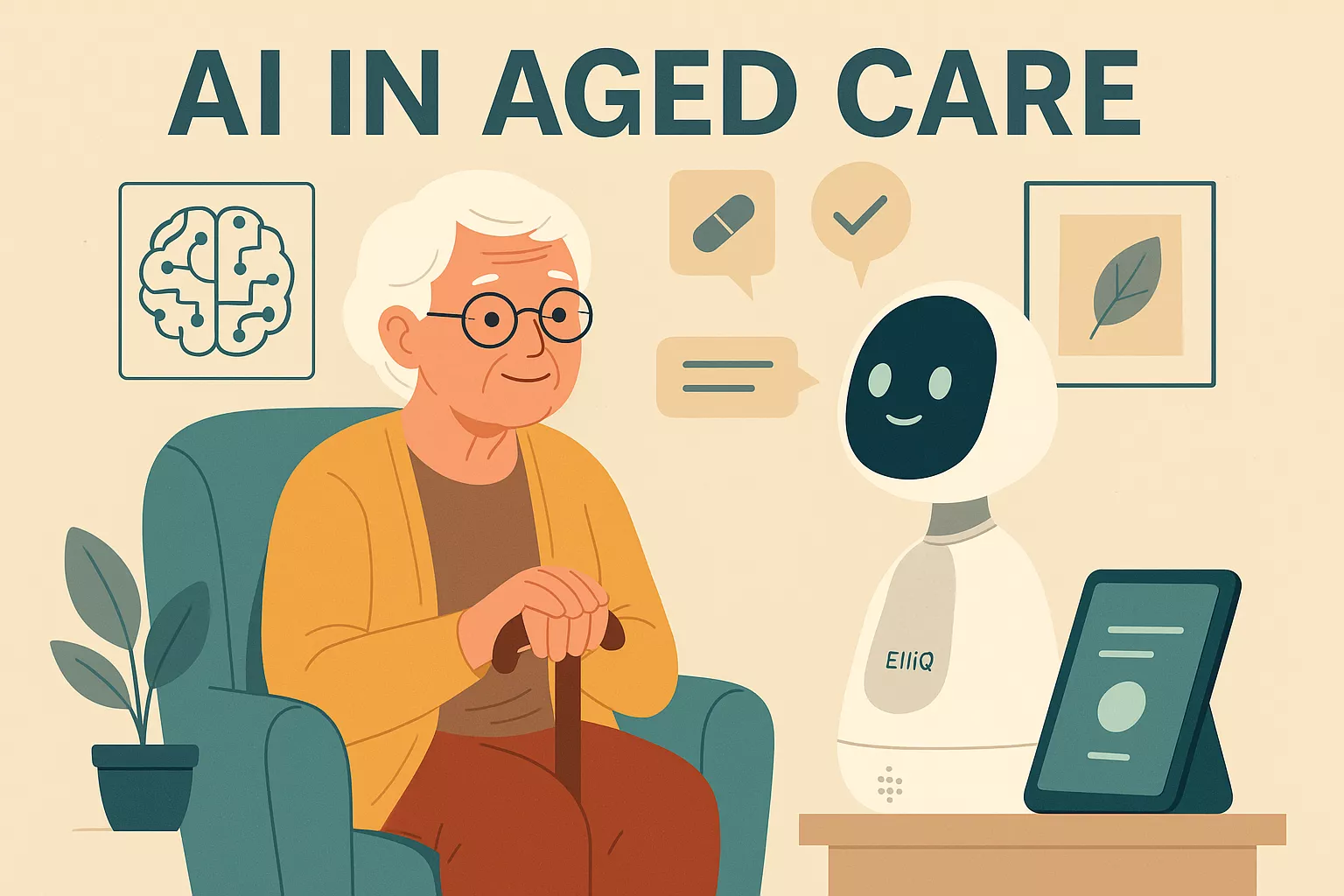
AI in aged care simply means using smart technology to keep older adults safer, healthier, and more independent.
Instead of replacing caregivers, AI works beside you, tracking daily habits, detecting falls, sending early health alerts, reminding you about medication, and even offering companionship to reduce loneliness.
With tools like smart sensors, wearables, and AI companions, you can spot problems sooner, prevent emergencies, and support your loved one’s independence without being physically present all the time.
In short, AI in Australian healthcare gives you the extra support you wish you had, while keeping seniors comfortable and confident in their daily lives.
Why AI in Aged Care Matters More Than Ever
As people live longer, families and aged-care providers feel increasing pressure. You might already see this around you:
- Caregivers are stretched thin
- Aged-care staff shortages continue to grow
- Chronic conditions require constant monitoring
- Many seniors prefer to stay at home instead of moving into facilities
AI steps in, not to replace care, but to extend it. It helps you spot risks earlier, reduce emergencies, and make daily life safer and more comfortable.
Think of AI as an extra pair of eyes always awake, always watching for small changes, and always ready to send alerts when something is wrong.
How AI Helps You Support Ageing Loved Ones
Below are the most practical, real-world ways AI improves aged care today. These aren’t futuristic ideas; these are tools already making a difference.
1. You Get Early Warnings Before Something Goes Wrong
In Australia, AI systems like CarePredict and EarlySense study routine behaviour, walking speed, bathroom patterns, sleep quality, or how often someone eats, and warn you if something looks unusual.
You might get alerts like:
- “Fall risk increased due to slower walking speed.”
- “Possible urinary infection.”
- “Night-time restlessness detected.”
This gives you the chance to act before a real health event happens.
2. You Don’t Have to Worry About Falls When You’re Not There
Falls are the number one reason older adults end up in the hospital. AI fall detection tools reduce this risk in two ways:
- Immediate detection: systems like Vayyar or SafelyYou send instant alerts.
- Predictive detection: tools predict fall risk days in advance based on behaviour changes.
You get more peace of mind, and your loved one gets a safer living environment without relying on cameras or invasive monitoring.
3. You Can Support Independent Living for Longer
If you or someone you love wants to age at home, AI makes that decision easier.
Smart systems can:
- Remind you about medication
- Turn off the stove if left on
- Detect unusual silence or inactivity
- Help track chronic conditions
- Keep families notified automatically
You don’t have to choose between independence and safety. AI supports both.
4. You Reduce Loneliness and Improve Emotional Health
Loneliness is a serious health issue for older adults. AI-powered companions like ElliQ provide gentle conversation, encouragement, check-ins, and reminders.
Many seniors say it feels like having a supportive presence nearby, not to replace family, but to fill the quiet hours of the day.
Others prefer PARO, the therapeutic AI robot shaped like a seal, especially in dementia care settings.
These systems stimulate interaction, improve mood, and help reduce social isolation.
5. You Help Caregivers Focus on What Truly Matters
If you’ve supported an ageing parent, you know how exhausting the routine tasks can be:
- Checking medication
- Logging symptoms
- Tracking sleep
- Scheduling appointments
- Handling emergencies
AI takes these repetitive tasks off everyone’s plate. That means caregivers, whether family members or aged-care professionals, can spend more time on emotional connection and meaningful care instead of paperwork and constant monitoring.
Real AI Tools That Exist Right Now
You aren’t reading about hypothetical tech; these systems are already operating in senior homes and private residences:
CarePredict
Predicts falls, detects early infections, and analyzes daily habits.
SafelyYou
Computer-vision fall detection with automatic alerts.
Vayyar Care
3D radar sensors that detect falls without cameras.
ElliQ – AI Companion
Daily conversation, reminders, wellness check-ins, and emotional support.
EarlySense
Monitors heart rate, breathing, and movement from under the mattress.
Temi Robot
A mobile assistant for telehealth and daily guidance.
Labrador Robot
Helps seniors move items, groceries, or laundry around the home.
These tools aren’t replacing caregivers; they’re augmenting them, giving you backup support you can depend on.
What AI Can’t Do Yet (And Why You Should Know This)
AI is powerful, but you should also know its limits:
- It can’t replace human touch, empathy, or emotional connection.
- It sometimes struggles with privacy, data security, or bias.
- Some systems require careful setup and may feel unfamiliar at first.
- Not every tool works equally well for every person.
So if you’re thinking about using AI in your household or aged-care facility, treat it like a supporting tool, not the main caregiver.
Will AI Replace Caregivers in the Future?
No, and it shouldn’t.
You will always need humans for compassion, emotional presence, and complex decision-making. AI simply gives you better information, faster insights, and ongoing monitoring that humans cannot provide 24/7.
The future isn’t AI versus carers.
It’s AI plus carers, working together to support an ageing population.
Should You Use AI in Your Aged Care Plan?
If you want:
- Fewer emergencies
- Early health alerts
- Safer independent living
- Support for dementia
- Reduced caregiver burnout
- More peace of mind
…then yes, AI can make a meaningful difference.
Start small, one device, one system, and see how it feels. Every family and every senior is different, so your approach should be personalised.
Final Thoughts: You’re Not Alone in This Journey
Caring for an older adult can feel overwhelming. AI doesn’t replace your love or responsibility, but it gives you tools to handle challenges with more confidence and less stress.
FAQs
1. How is AI used in aged care?
AI is used for fall detection, health monitoring, medication reminders, emotional support, and assisting caregivers with daily tasks.
2. What are the benefits of AI for elderly people?
AI makes life safer, helps detect health problems early, reduces loneliness, and supports independent living.
3. What are examples of AI tools used in aged care?
Examples include CarePredict, Vayyar, SafelyYou, EarlySense, ElliQ, PARO, and smart-home monitoring systems.
4. How does AI improve dementia care?
AI tracks cognitive changes, provides reminders, supports memory exercises, and alerts caregivers when behavior changes.
5. Is AI replacing caregivers in nursing homes?
No. AI only assists with monitoring and routine tasks. Human caregivers remain essential.
6. Are AI fall detection systems accurate?
Most AI fall detection tools are highly accurate because they use sensors or computer vision to detect unusual movements instantly.
7. What challenges does AI face in aged care?
Challenges include privacy concerns, data security, seniors’ acceptance of technology, and the need for human oversight.
8. Does AI help seniors stay independent?
Yes. AI supports independent living by managing safety, tracking health, and providing routine reminders without constant supervision.
9. What is the role of robots in aged care?
Robots help with mobility, companionship, telehealth calls, and simple tasks like carrying groceries or providing reminders.
10. Is AI in aged care expensive?
It depends on the tool. Basic systems are affordable, while advanced robots can be costly. Prices are becoming more accessible each year.

Similar Posts
RogerHub Final Grade Calculator: How to Calculate the Grade You Need
How AR Virtual Classrooms Are Fixing Student Engagement Problems
5 Smart Strategies to Drive ROI with CRM Users Email List in Account-Based Marketing