
AI Diagnosis Tools Trending Globally: Are They More Accurate Than Doctors?
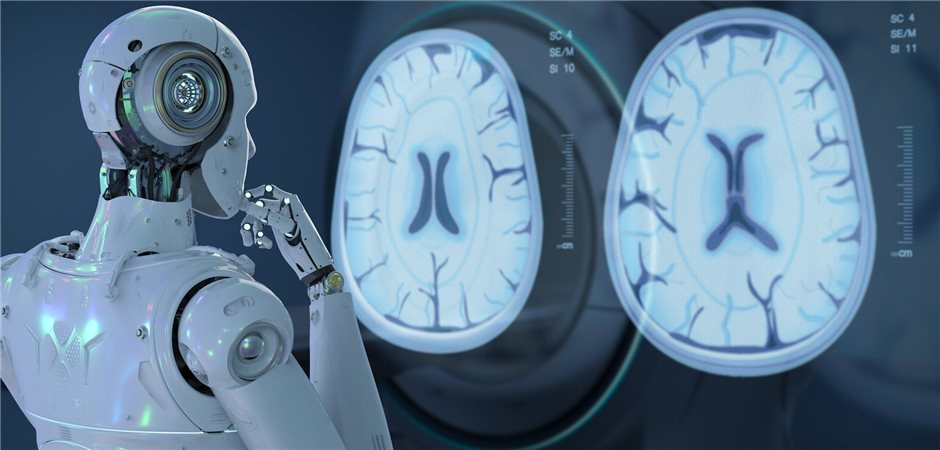
Artificial Intelligence is transforming healthcare faster than ever, and one innovation leading the change is the AI diagnosis tool. As hospitals, clinics, and telehealth platforms adopt AI-powered medical systems, one question is creating global debate: Can AI diagnose diseases more accurately than human doctors?
This blog explores how these tools work, why they’re trending worldwide, where they outperform humans, and where traditional medical expertise still remains unmatched.
What Is an AI Diagnosis Tool?
An AI diagnosis tool is a digital system trained on massive medical datasets—such as patient records, symptoms, lab reports, and imaging scans to detect diseases or predict risks. These tools can:
- Analyze patterns in medical data
- Provide diagnosis probabilities
- Recommend clinical decisions
- Detect early warning signs of chronic diseases
- Assist doctors in treatment planning
Because they process thousands of data points in seconds, they help reduce manual errors and improve decision-making speed.
Why AI Diagnosis Tools Are Trending Globally
AI-driven diagnosis systems are gaining traction due to several powerful trends:
- Shortage of medical professionals in many countries
- Rapid demand for telemedicine after COVID-19
- Improved AI accuracy through deep learning
- Faster diagnosis with lower operational cost
- Growing patient interest in remote health monitoring
Additionally, governments and private healthcare networks are investing in AI hospitals, digital triage systems, and predictive health analytics.
How Accurate Are AI Diagnosis Tools Compared to Doctors?
AI performance has improved significantly across different specialties. Some studies show AI matching or even surpassing human accuracy in specific tasks.
Areas Where AI Outperforms Doctors
- Medical Imaging Analysis
AI is extremely efficient in identifying abnormalities in X-rays, MRIs, CT scans, and mammograms.
It detects subtle patterns even experts may overlook. - Predictive Analytics
AI predicts risks for diseases like diabetes, heart attacks, and kidney failure with high precision. - Dermatology and Skin Cancer Detection
AI tools trained on millions of images sometimes show higher accuracy than dermatologists. - Pathology & Lab Data Interpretation
Machine models can analyze microscope slides and lab values faster and with fewer errors.
Areas Where Doctors Still Lead
- Complex Clinical Reasoning
AI struggles with rare diseases, unusual combinations of symptoms, and cases with incomplete data. - Patient Communication & Emotional Intelligence
Building trust, offering reassurance, and understanding patient behavior remain human strengths. - Ethical & Contextual Judgment
Doctors consider social, psychological, and lifestyle factors something AI cannot fully interpret.
Conclusion: Is AI More Accurate?
AI is more accurate in pattern recognition tasks, especially medical imaging and predictive analytics.
However, doctors remain essential for real-world decision-making, empathy, treatment planning, and understanding human context.
The future is not AI vs doctors, it’s AI + doctors working together.
How AI Diagnosis Tools Work Behind the Scenes
Modern AI diagnosis systems use multiple technologies:
- Machine Learning (ML) to identify disease patterns
- Deep Learning (DL) for image and signal analysis
- Natural Language Processing (NLP) to read clinical notes
- Predictive Models for early disease detection
- Cloud Computing to deliver real-time diagnosis
These tools are trained on:
- Electronic Health Records (EHRs)
- Radiology and pathology images
- Genomic data
- Real-world clinical outcomes
As they learn from more data, they become better and safer.
Benefits of AI Diagnosis Tools in Healthcare
Faster and More Efficient Diagnosis
AI tools process data within seconds, allowing quicker medical decisions and emergency responses.
Reduced Human Error
Because AI identifies micro-patterns, it often catches early signs missed during manual checks.
Cost-Effective Care
Hospitals can lower overhead and diagnostic expenses, making care more affordable for patients.
Consistency Across Large Patient Volumes
AI provides the same level of quality regardless of fatigue or workload.
Better Access to Healthcare
Remote communities benefit from AI-based tele-diagnosis tools, especially where doctors are scarce.
Real-World Use Cases of AI in Diagnosis
- Google DeepMind detecting eye diseases
- IBM Watson Health assisting with cancer insights
- AI triage chatbots analyzing symptoms for telemedicine
- AI-powered ECG tools predicting heart disorders early
- Wearable medical devices identifying abnormal patterns
These examples show how AI is already supporting hospitals, clinics, and home-based healthcare systems.
Challenges and Limitations of AI Diagnosis Tools
Although powerful, AI systems face several challenges:
- Bias in training datasets
- Privacy concerns over medical data
- Limited ability to understand emotional cues
- Difficulty diagnosing rare diseases
- Need for continuous human oversight
Healthcare experts stress that AI should assist not replace—medical professionals.
The Future of AI Diagnosis in Global Healthcare
As technology evolves, AI will transform:
- Emergency departments
- Remote patient monitoring
- Personalized medicine
- Early disease prediction
- Digital-first hospitals
Future healthcare systems will combine human expertise with AI-driven precision.
FAQs About AI Diagnosis Tools
Can an AI diagnosis tool replace doctors?
No. AI supports doctors but cannot replace clinical judgment, empathy, or personalized medical care.
Are AI diagnosis tools safe and reliable?
Yes, when trained on high-quality medical datasets and regulated properly. They also reduce human error.
What types of diseases can AI diagnose?
AI can detect cancers, heart diseases, neurological issues, infections, lung problems, and chronic illnesses.
How do hospitals use AI tools?
Hospitals use AI for radiology, lab data analysis, emergency triage, patient monitoring, and risk prediction.
Is AI diagnosis allowed worldwide?
Many countries allow AI-assisted diagnosis, but full regulatory approval varies by region.
Conclusion
AI diagnosis tools are reshaping global healthcare by offering accuracy, speed, and predictive power that traditional methods alone cannot achieve. While certain tasks show AI outperforming human doctors especially in imaging and pattern recognition, human expertise remains critical for emotional care, complex decision-making, and ethical responsibility.
As technology continues to advance, the strongest healthcare systems will be those that blend AI-driven insights with skilled medical professionals.
To explore more future-forward technologies, visit TechNew for the latest innovation insights.
About the Author
This article is written by a professional technology and healthcare research writer specializing in artificial intelligence, medical innovation, and digital transformation. The author focuses on creating trustworthy, research-backed, and easy-to-understand content for global readers.
Similar Posts
AS400 in 2026: The Support Shift That Drives Modernization
Exclusive: Apple and Google Gemini Alliance, Set to Redefine AI with Unstoppable Force
Top 9 Latest Technology Innovations in the Automobile Industry